Kids Treatments / Cream

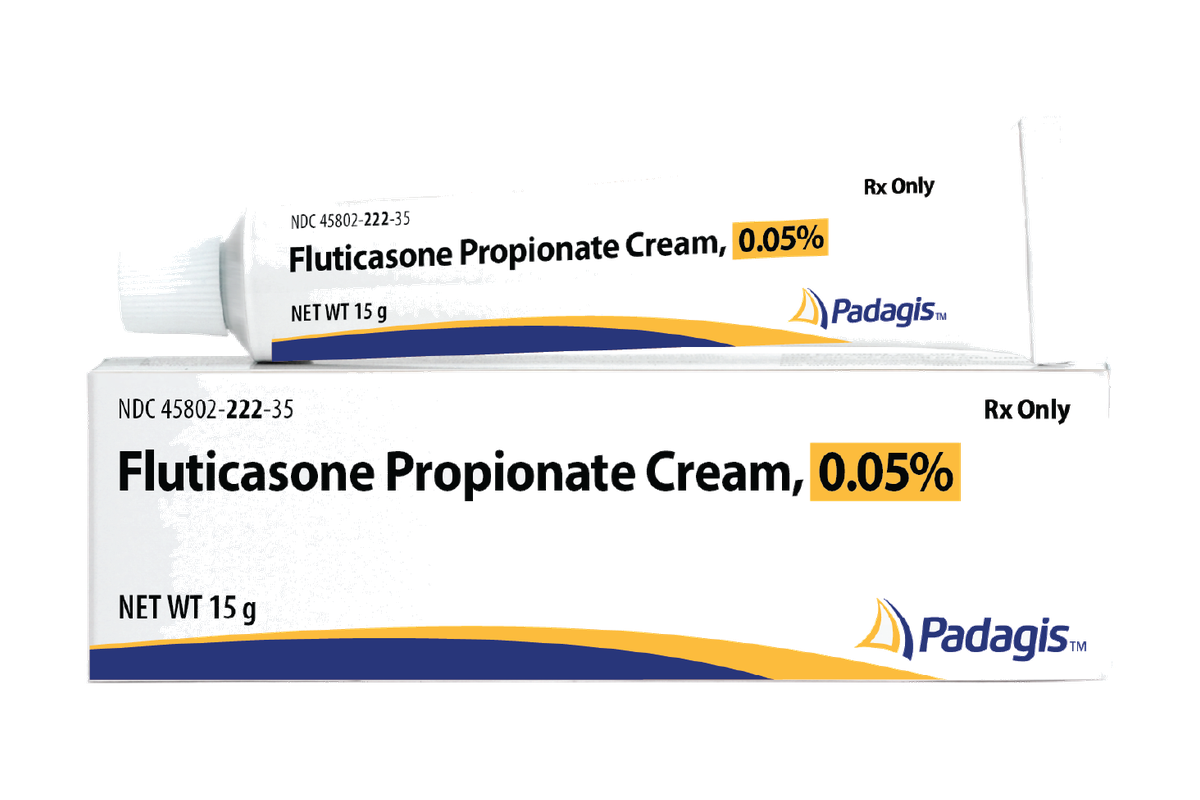
Fluticasone propionate 0.05%

Cream · Topical · Pediatric

A mid-potency steroid with more pediatric-specific clinical trial data than almost any other topical steroid in its class, and one of the few studied for long-term maintenance use in children.

Available now

Included in your child’s plan if prescribed · Rx required

You won’t be charged until a clinician reviews and approves your child’s case.

Start your child’s assessment →

Not sure this is right? Take the quiz →

Fluticasone propionate 0.05% cream tube

Why is Fluticasone propionate 0.05% included?

Fluticasone propionate 0.05% cream (Cutivate) is distinguished within the mid-potency class by the depth and breadth of its pediatric clinical evidence. It was specifically studied in pediatric populations from 3 months of age, which is unusual for a mid-potency steroid, most mid-potency agents have their safety profile in young children extrapolated from adult data rather than directly established. Fluticasone's pediatric-specific trials give clinicians more confidence in its use in younger children with body-site eczema than some alternatives in the same class.

Its second distinguishing feature is proactive maintenance therapy evidence. Multiple pediatric RCTs demonstrate that twice-weekly fluticasone 0.05% applied to previously affected skin prevents flare recurrence, reducing the number of flares and the time parents spend managing acute episodes. For children who have recurring eczema in the same locations (classic sites: inside elbows, behind knees, wrists, trunk), this maintenance approach changes the treatment pattern from constant reactive management to actual disease control.

How does it work?

Same mechanism as other mid-potency fluorinated corticosteroids: glucocorticoid receptor binding, NF-κB suppression, reduced cytokine production. Fluticasone's pharmacokinetic profile includes rapid systemic inactivation, it metabolizes to inactive compounds quickly once absorbed into the bloodstream, which reduces the duration of any systemic steroid effect even if absorption occurs. This is part of why it was selected for pediatric maintenance studies: researchers wanted to study ongoing use with a compound that minimizes sustained systemic steroid exposure.

How strong is the evidence?

Fluticasone propionate 0.05% cream is FDA-approved for atopic dermatitis in children aged 3 months and older, one of the few mid-potency steroids with this specific pediatric indication. The pivotal pediatric trials for this approval included direct assessment of cortisol levels in young children with extended use, providing better systemic safety data than most topical steroids in this class.

The proactive maintenance trials in children are particularly notable. Halbert et al. and other investigators demonstrated that twice-weekly fluticasone significantly reduced flare frequency over 4–6 month periods compared to reactive treatment alone. This data is specific to children and directly relevant to the most common parental frustration: eczema keeps coming back.

What are the limitations and risks?

Mid-potency fluorinated steroid restrictions apply: not for the face, not for the eyelids, not for skin folds. For the face and sensitive areas, low-potency or calcineurin inhibitor options are appropriate. While fluticasone's systemic inactivation profile is favorable, extended proactive maintenance use over many months still requires periodic follow-up to assess whether ongoing steroid exposure is appropriate or whether a transition to non-steroidal maintenance (tacrolimus 0.03%) makes more sense for long-term management.

The same guidance on thin layers, appropriate surface area coverage, and avoiding occlusion applies to fluticasone in children. The younger the child, the more important adherence to these application parameters becomes.

Frequently Asked Questions

Fluticasone cream is FDA-approved from 3 months, with the lowest approved age in its class. That said, the approval and clinical practice guidance for infants under 12 months focuses on limited areas, short courses, and close monitoring. Your Fern clinician will be specific about amounts and duration appropriate for your child's age and the extent of involvement.

Pick two days per week (say Tuesday and Saturday. On those days, apply a thin layer of fluticasone to the specific areas that historically flare on your child (inside elbows, behind knees, etc.), even if they look completely clear that day. Continue daily moisturizer every day. When an acute flare appears, you can increase to daily application until clear, then return to twice-weekly. This two-gear approach) reactive when flaring, proactive when clear, is what the pediatric maintenance trials actually tested.

The pediatric clinical trials specifically measured cortisol levels in children using fluticasone, and standard twice-weekly maintenance or short-course acute dosing on appropriate areas doesn't produce measurable HPA axis suppression in the trials. Extended daily use over large body surface areas (covering most of the trunk and both arms) does carry this risk. If your child's eczema is widespread enough that large-area daily treatment is needed, that's a conversation with your clinician about whether systemic options are appropriate.

Yes: this is a common combination approach. Fluticasone for body-site flares and acute management; tacrolimus 0.03% for facial maintenance and as the long-term option for flexural areas once the steroid has achieved initial clearance. Using the right tool for the right area rather than one medication everywhere produces better outcomes.

Fluticasone cream is more comfortable for most children, lighter, easier to apply, less greasy. The cream is what's prescribed here and is appropriate for most acute pediatric presentations. Ointment versions of fluticasone exist but are not in this formulary; if your child has very dry, thickened, or lichenified patches that don't respond well to the cream, discuss this with your clinician.

Maintenance dosing is appropriate as long as your child has a pattern of frequent recurrences. If they've been flare-free for several months on twice-weekly maintenance, it's reasonable to try stopping the maintenance and monitoring for recurrence. Some children outgrow their eczema severity over time (particularly those who develop it in infancy) and no longer need maintenance as they get older. Others have persistent disease that warrants long-term management. There's no set endpoint, it depends on your child's disease course.

Ready to get a personalized treatment plan for your child?

Fern clinicians review every case individually. Most families hear back in under 3 hours.

Start your free assessment →
Dr. Chethana Gottam, M.D., Board Certified Dermatologist

“There’s a specific look I recognize in eczema patients who’ve been managing on their own too long. They’ve stopped believing it can get better. Fern shortens that window of suffering. It gets people into real treatment before hopelessness sets in.”

Dr. Chethana Gottam, M.D.
Board Certified Dermatologist