Kids Treatments / Cream

Hydrocortisone 2.5%

Cream · Topical · Pediatric

The gentlest prescription-strength topical steroid, enough anti-inflammatory power to interrupt your child's flare, with a safety profile appropriate for young, sensitive skin including the face and diaper area.

Available now

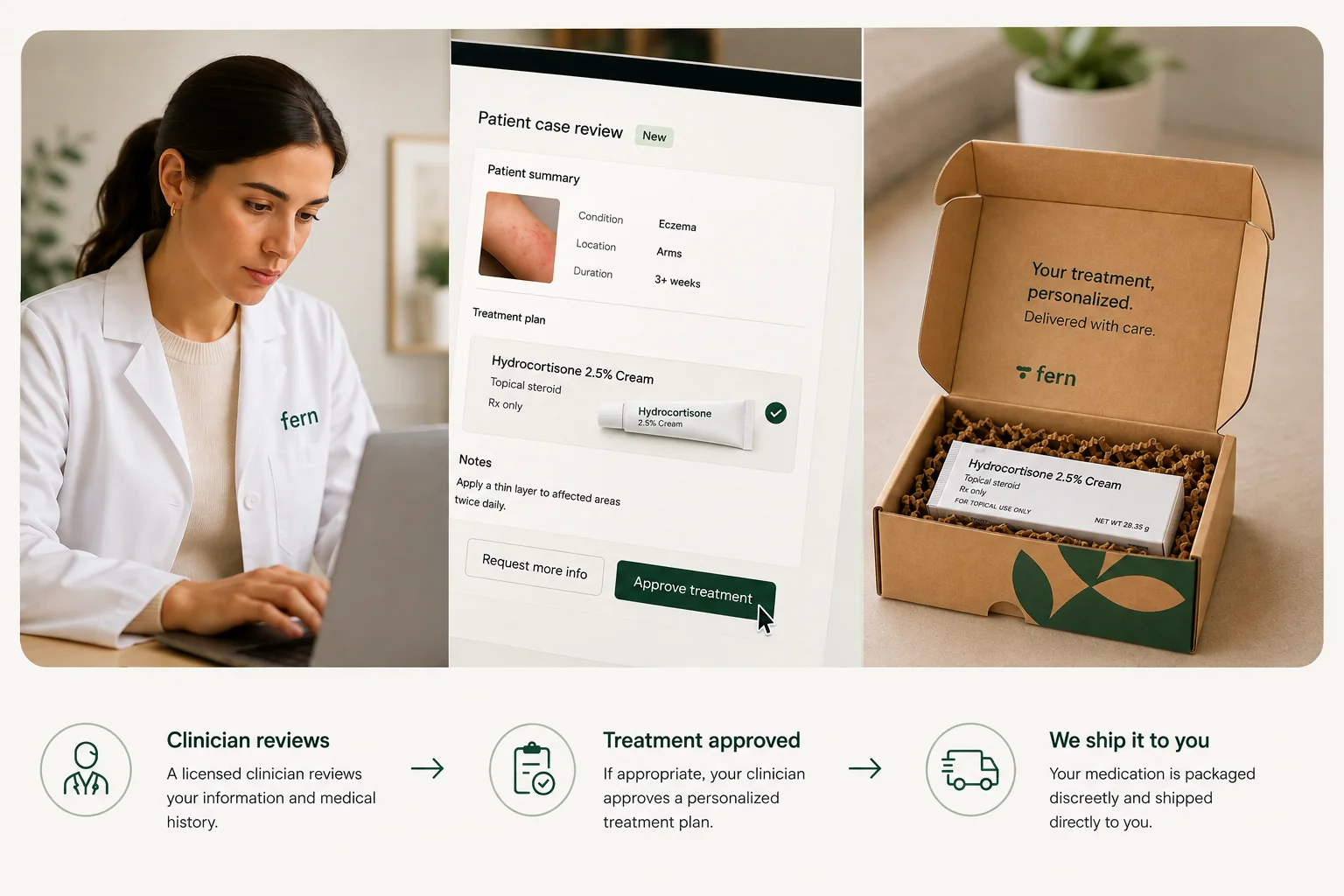
Included in your child’s plan if prescribed · Rx required

You won’t be charged until a clinician reviews and approves your child’s case.

Start your child’s assessment →

Not sure this is right? Take the quiz →

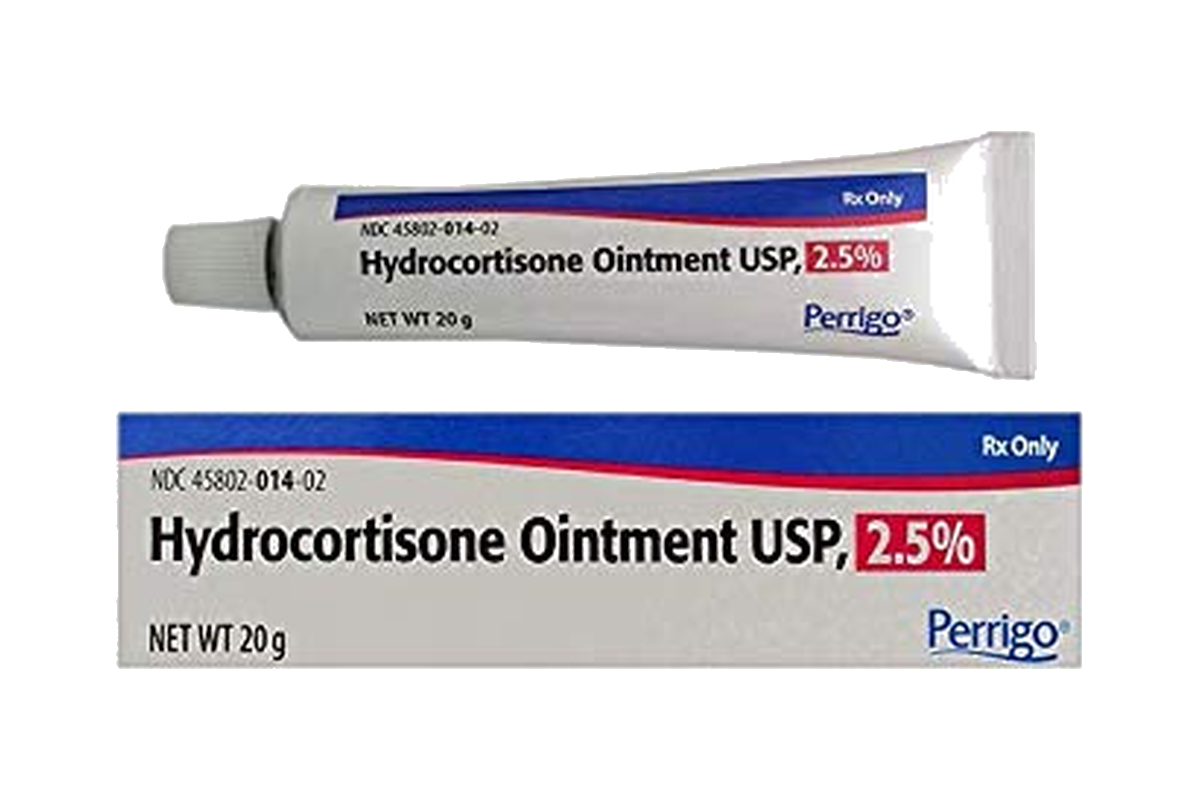
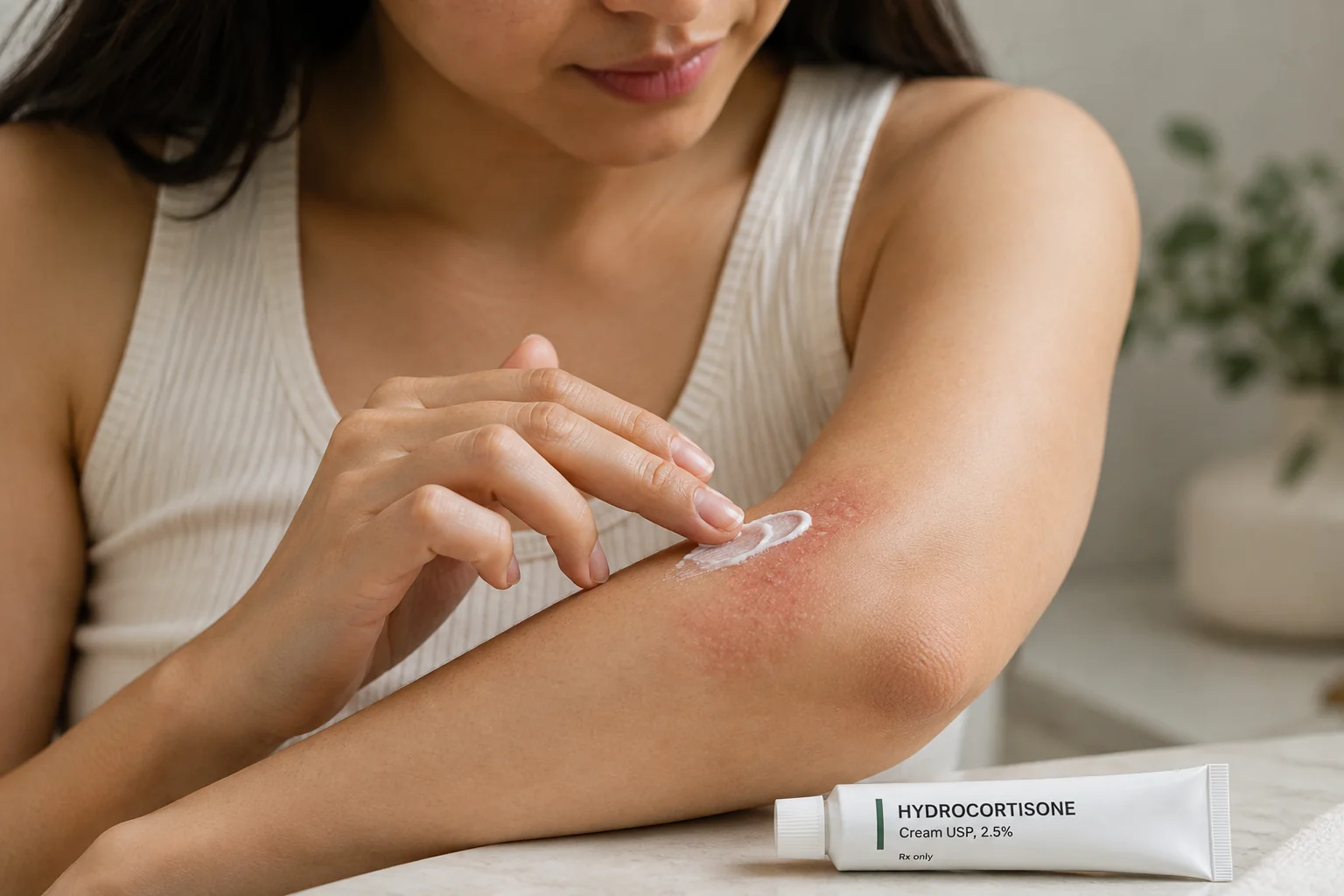
Hydrocortisone 2.5% cream tube

Why is Hydrocortisone 2.5% included?

Eczema in children behaves differently than eczema in adults, it tends to involve the face, scalp, and diaper area in infants, and the inner elbows and behind the knees in older children. These are precisely the locations where the thinnest, most permeable skin requires a low-potency steroid rather than a mid- or high-potency option. Hydrocortisone 2.5% is the prescription step up from the 0.5–1% tubes available over the counter, but still in the lowest-potency class, making it the standard starting prescription steroid for most children with atopic dermatitis.

The reason a prescription concentration matters even in the low-potency class: the OTC strength is often insufficient to interrupt an established flare, particularly in toddlers and young children whose skin barrier dysfunction is severe enough to allow significant allergen penetration and immune activation. Hydrocortisone 2.5% provides meaningfully greater anti-inflammatory activity than the OTC version while remaining appropriate for the face, neck, and other sensitive areas that define most childhood eczema patterns.

One key difference from adult use that parents should understand: children have a higher surface-area-to-body-weight ratio than adults. This means that the same amount of topical steroid, applied to the same percentage of body surface area, results in more systemic absorption per kilogram of body weight in a child than in an adult. This doesn't make hydrocortisone 2.5% dangerous when used correctly, it's why it's the appropriate starting point, not a higher-potency agent, and it's why application instructions about thin layers and limited area are especially important to follow precisely in children.

How does it work?

Hydrocortisone is a glucocorticoid (it binds to receptors inside skin cells and suppresses the transcription of pro-inflammatory genes. In a child with eczema, the skin barrier is compromised, allowing environmental triggers (dust mites, pet dander, food proteins, bacteria) to penetrate the skin and activate immune cells. Those immune cells produce cytokines) IL-4, IL-13, IL-31, that drive the itch, redness, and swelling of the flare. The itch triggers scratching, scratching damages the barrier further, and the cycle perpetuates.

Hydrocortisone interrupts this cycle by suppressing the cytokine production at the source. Within 24–48 hours of correct twice-daily application, the inflammatory signaling is dampened enough that itch decreases, redness fades, and the skin can begin to repair. The cream formulation also provides a mild occlusive layer that reduces water loss through the damaged barrier while the medication works.

How strong is the evidence?

Topical corticosteroids are the most studied and most consistently recommended treatment for pediatric atopic dermatitis across all major international guidelines, the American Academy of Dermatology (AAD), the European Academy of Dermatology (EADV), and the British Association of Dermatology (BAD) all rate them as first-line therapy for children. The evidence base for hydrocortisone specifically includes pediatric RCTs and decades of clinical experience with a well-characterized safety profile.

In head-to-head pediatric trials, prescription-strength hydrocortisone (2.5%) outperforms the 1% OTC formulation for flare clearance rates and speed of response. The AAD specifically recommends low-potency steroids as the first-line prescription option for childhood eczema on the face, neck, and diaper area.

What are the limitations and risks?

The most important pediatric-specific risk is HPA axis suppression, reduced cortisol production by the adrenal glands, which occurs when too much topical steroid is absorbed systemically. In adults, this requires large amounts applied over large areas. In young children, it can occur with smaller amounts because of their higher surface-area-to-body-weight ratio. Using hydrocortisone 2.5% correctly (thin layers, affected areas only, not continuously) keeps this risk negligible. Signs of systemic absorption problems are rare but worth knowing: unexplained weight gain, growth slowing, fatigue, or a cushingoid appearance. These are genuinely uncommon with appropriate low-potency use, but the reason prescribing is clinician-supervised.

Do not apply to infected skin. Eczema skin in children is frequently colonized with Staphylococcus aureus, and infected eczema (marked by honey-colored crusting, increased pain, oozing, or fever) requires antibiotic treatment before or alongside the steroid. Applying a steroid to infected skin can worsen the infection.

Prolonged continuous daily use on the face, even of a low-potency steroid, can cause skin thinning over time. Treat flares until clear, then stop. Do not use as a daily preventive moisturizer.
Frequently Asked Questions

Yes: hydrocortisone 2.5% is appropriate for infant and toddler facial eczema specifically because of its low-potency classification. Facial skin in infants is thin and permeable, which is why dermatologists don't recommend mid-potency steroids for this area in children. Short courses (7–10 days) to clear active facial flares are the intended use. Prolonged daily face application should be avoided; if your child's facial eczema returns immediately after stopping, discuss a maintenance strategy with your clinician.

Yes, with caution and for short courses only. The diaper area is already occluded by the diaper, which increases drug absorption compared to non-occluded skin. This means the effective potency is higher than it would be on the arm or trunk. Thin layers, short courses (5–7 days), and clinician guidance are important for diaper area use.

A thin film that you can almost see through, not a thick layer. The "fingertip unit" guide for children is age-adjusted: for a 1–2 year old, half a fingertip unit covers the face; a full fingertip unit covers an arm. Over-application is a very common parent error and increases systemic absorption without improving efficacy (the skin's glucocorticoid receptors saturate at low concentrations). Your clinician can give you specific guidance for your child's size and affected areas.

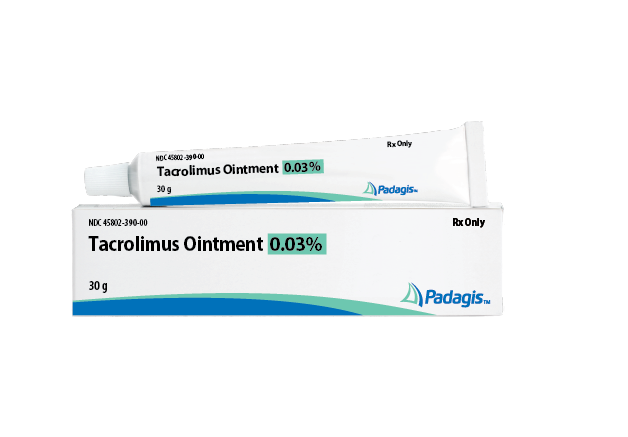
Frequent recurrence after stopping is a sign that a maintenance strategy is needed, not that you should keep applying steroid continuously. Options include proactive twice-weekly application to previously affected skin (which has good evidence in children), transitioning to a calcineurin inhibitor like tacrolimus 0.03% for long-term maintenance, or evaluating triggers that are driving frequent recurrences. Continuous daily steroid use is not the right answer for recurring pediatric eczema.

Most pediatric dermatologists use hydrocortisone 2.5% in infants under 1 year for short courses on limited areas with appropriate caution. The risk profile is favorable at this potency level even in infants. That said, systemic absorption is highest in the youngest patients and application amounts and areas should be the minimum necessary. Fern's clinician will take your child's age and weight into account when prescribing.

If a properly applied 7-day course isn't producing meaningful improvement, that's important information. Possibilities include: bacterial superinfection is present and needs to be treated first, the affected area is one where the cream isn't absorbing well (very thick or lichenified skin), or the flare is moderate-to-severe enough to need a mid-potency steroid. Contact your clinician for guidance rather than continuing without a response.

Ready to get a personalized treatment plan for your child?

Fern clinicians review every case individually. Most families hear back in under 3 hours.

Start your free assessment →
Dr. Chethana Gottam, M.D., Board Certified Dermatologist

“There’s a specific look I recognize in eczema patients who’ve been managing on their own too long. They’ve stopped believing it can get better. Fern shortens that window of suffering. It gets people into real treatment before hopelessness sets in.”

Dr. Chethana Gottam, M.D.
Board Certified Dermatologist