Treatments / Topical steroids

Hydrocortisone 2.5%

Cream · Topical

Reduces the inflammatory response driving eczema flares (redness, itch, and swelling) without the potency risks of stronger steroids.

Available now

Included in your plan if prescribed · Rx required

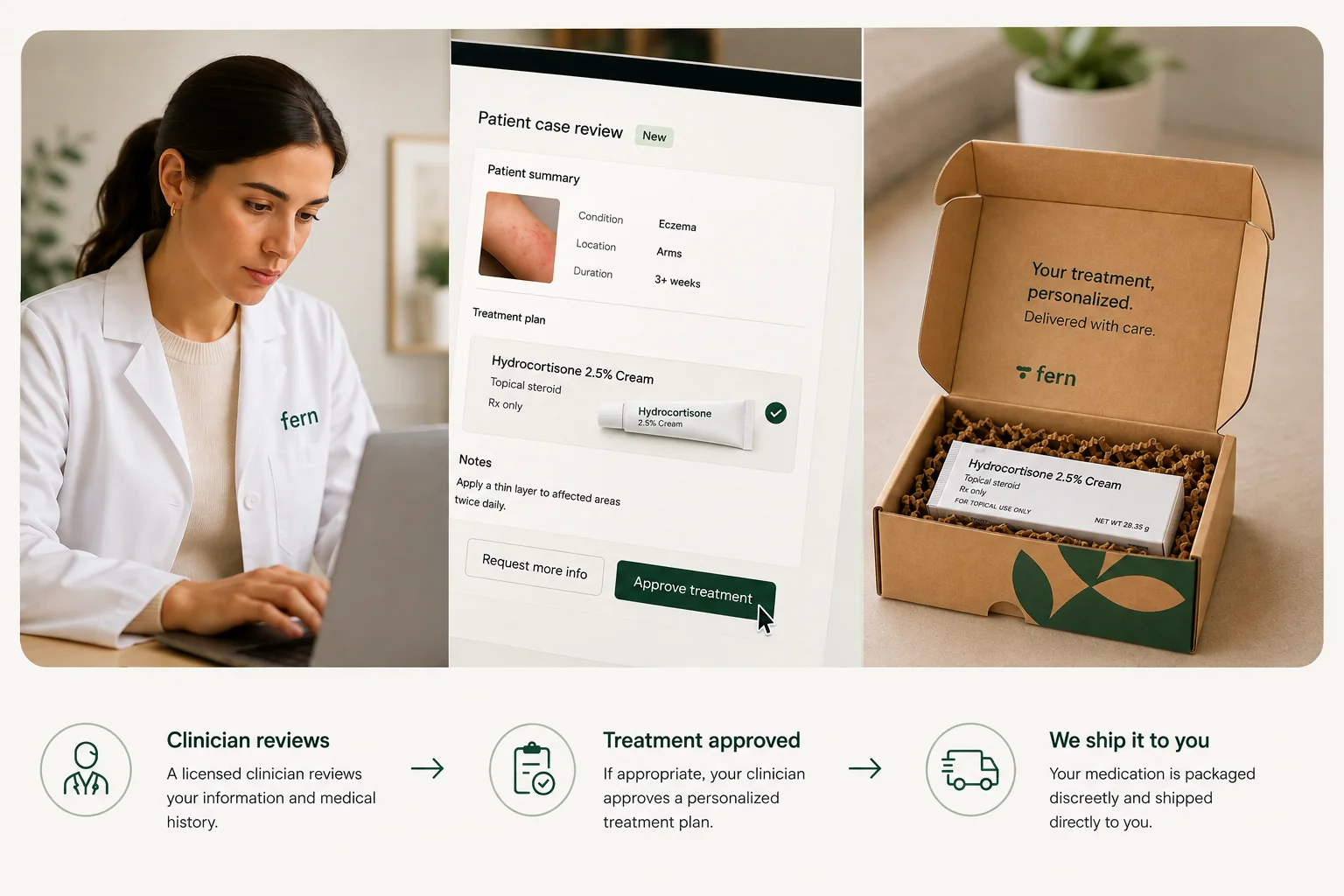
You won't be charged until a clinician reviews and approves your case.

Start your assessment →

Not sure this is right for you? Take the quiz →

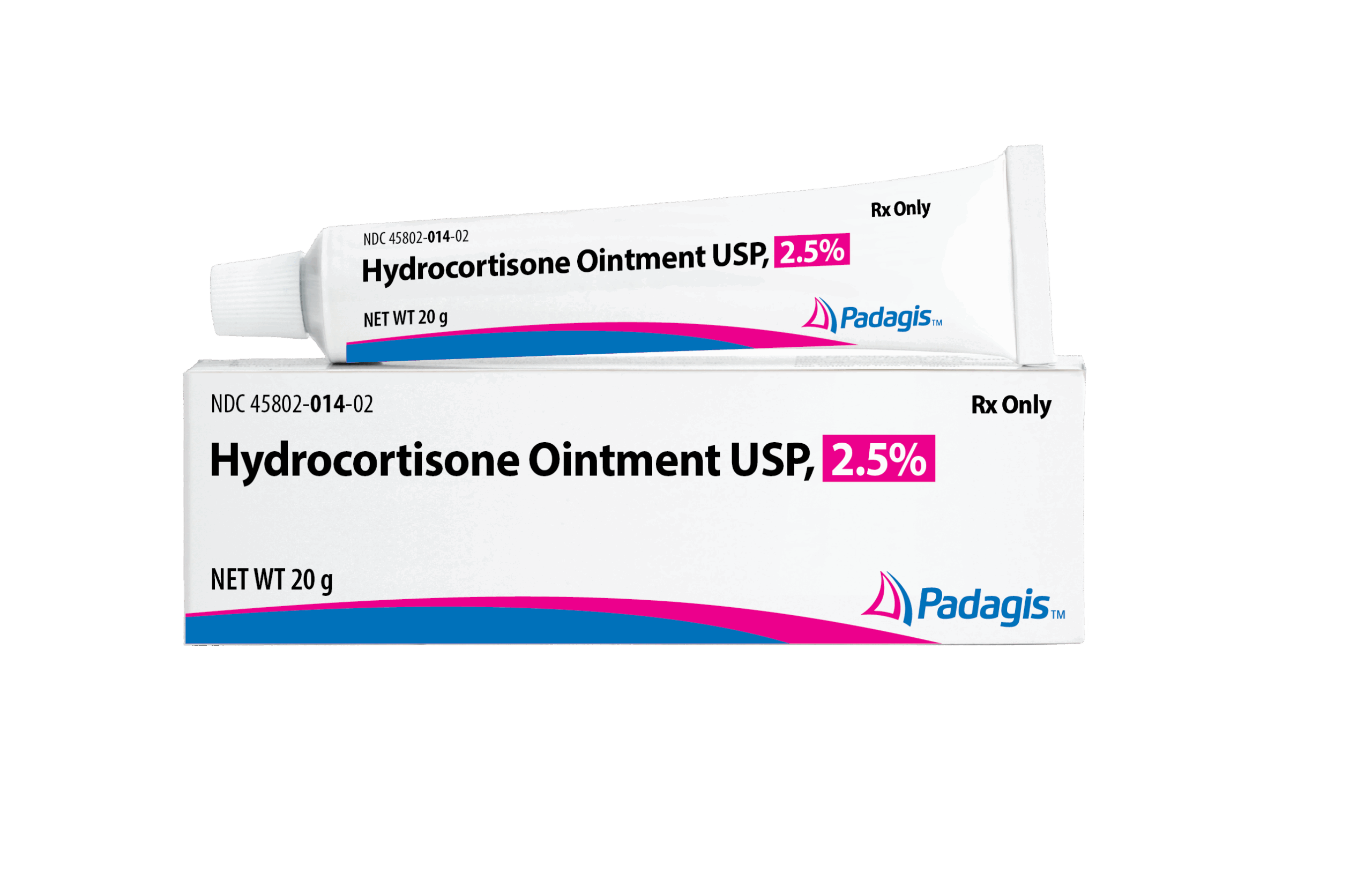
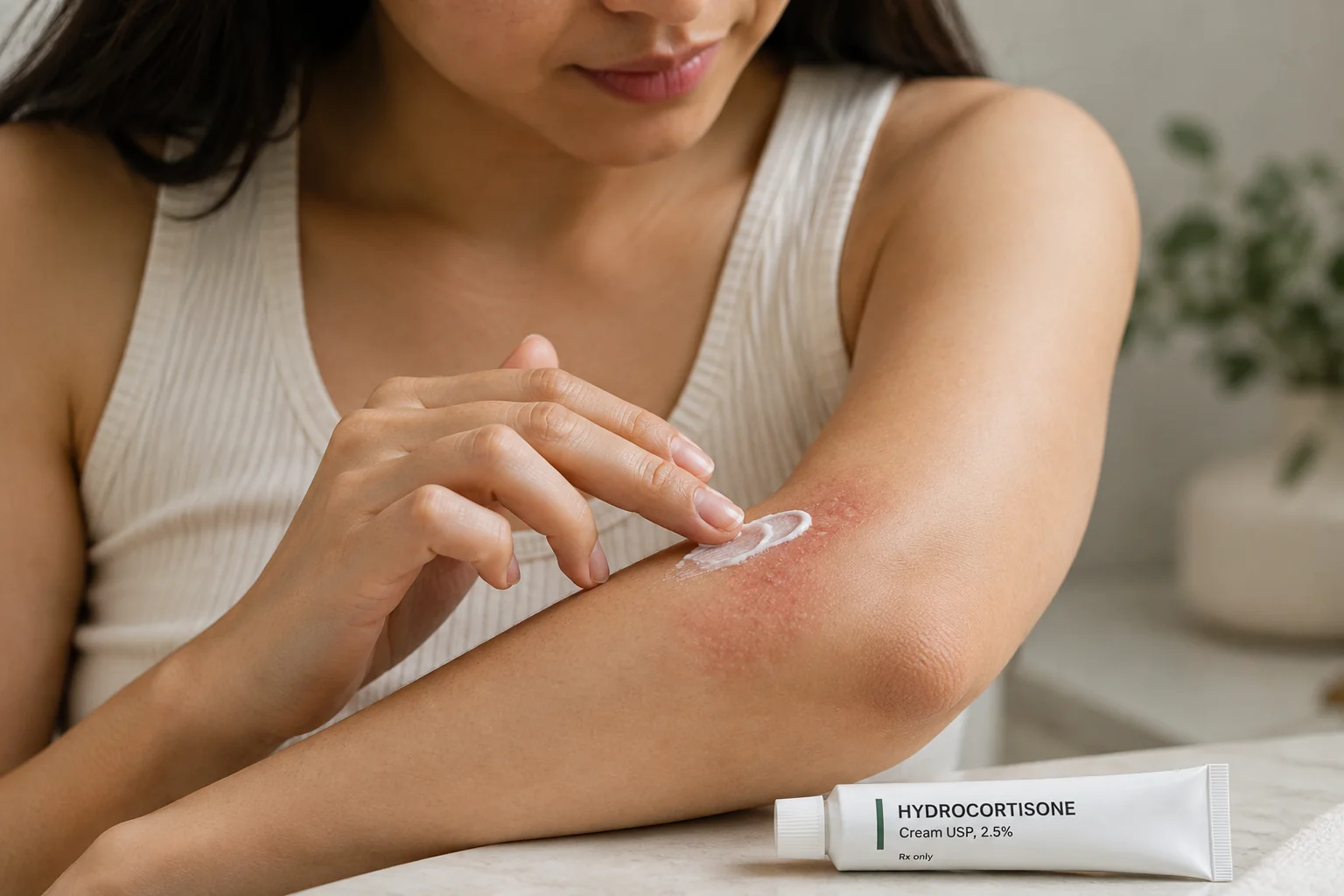
Hydrocortisone 2.5% cream tube

Why is Hydrocortisone 2.5% included?

Most people know hydrocortisone from the 1% tube at the drugstore. The 2.5% prescription version is the same molecule at a higher concentration, still in the lowest-potency class of topical steroids, but meaningfully stronger at calming active inflammation. That distinction matters for eczema. A mild OTC cream often isn't enough to interrupt a real flare, and reaching straight for a mid- or high-potency steroid on the face or neck creates unnecessary risk. Hydrocortisone 2.5% occupies a practical middle ground: enough anti-inflammatory power to break a flare, gentle enough to use on thin-skinned areas like the face, eyelids, and skin folds where stronger steroids are generally avoided.

For atopic dermatitis specifically, chronic skin inflammation is driven by a dysregulated immune response, not just surface dryness. The skin barrier is compromised, allergens and irritants penetrate more easily, and the immune system overreacts with waves of cytokines (IL-4, IL-13, IL-31) that cause itch, redness, and the itch-scratch cycle that worsens the barrier further. Hydrocortisone targets that cycle directly. It doesn't just mask symptoms; it interrupts the inflammatory signaling that sustains them.

How does it work?

Think of your skin's immune cells as having an alarm system that's been set too sensitive. In eczema, minor triggers (a fabric, a temperature change, trace amounts of an allergen) trip the alarm and flood the area with inflammatory signals. Those signals drive intense itch (in atopic dermatitis this is primarily mediated by cytokines like IL-31, not histamine), cause blood vessels to dilate (redness), and make the skin swell. Scratching breaks the skin further, lets in more irritants, and the alarm goes off again.

Hydrocortisone enters skin cells and binds to glucocorticoid receptors inside them. This directly dials down the transcription factors — think of them as the alarm dispatch center — that would otherwise amplify the inflammatory signal. Less dispatch means reduced production of the cytokines and inflammatory mediators driving itch and redness, and less of the vasodilation and swelling that sustain them, with meaningful improvement typically visible within 24 to 48 hours of consistent application. The cream formulation also creates a mild occlusive layer that reduces transepidermal water loss while the medication works, helping the skin barrier start to recover.

How strong is the evidence?

Topical corticosteroids are the most studied treatment in dermatology. Multiple Cochrane systematic reviews, the gold standard for synthesizing clinical trial data, confirm that topical corticosteroids are more effective than vehicle (placebo cream) for reducing eczema severity, itch, and flare frequency. The American Academy of Dermatology rates them as first-line treatment for atopic dermatitis across all age groups.

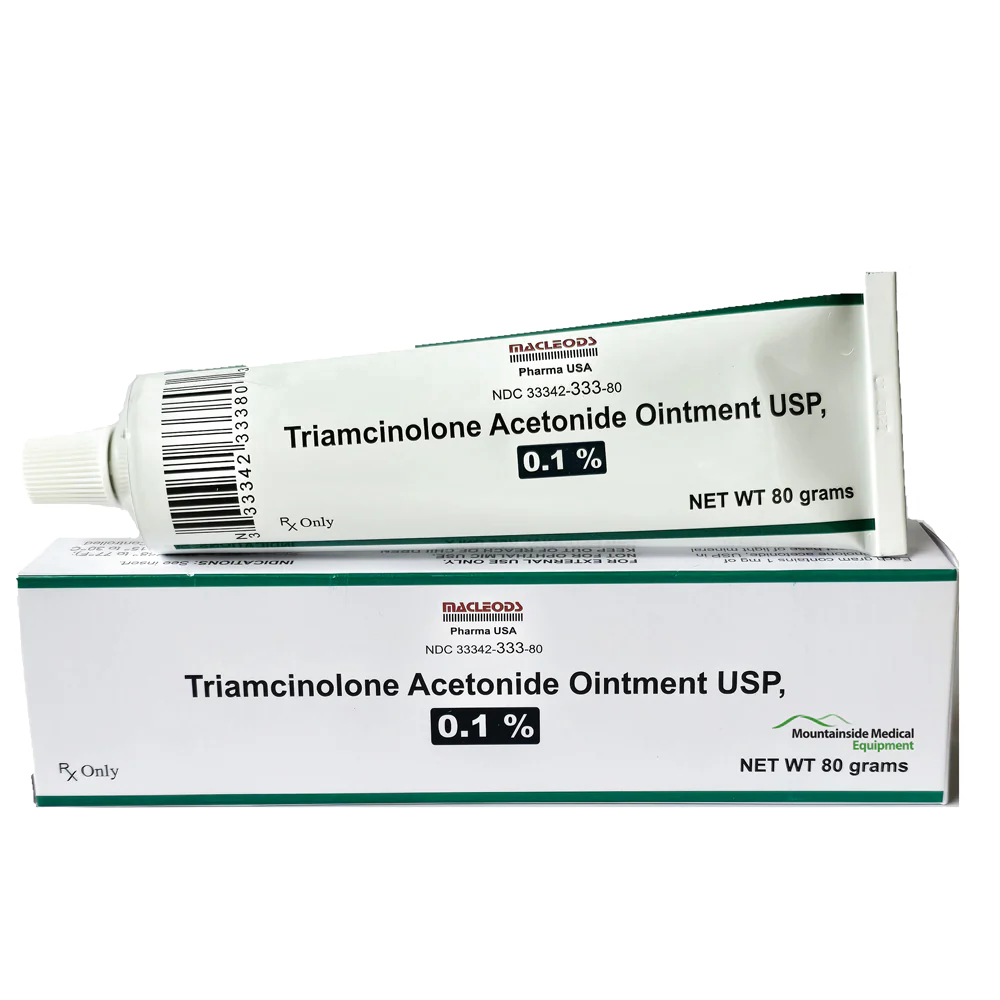
Hydrocortisone 2.5% specifically has decades of controlled trial data behind it. In head-to-head comparisons with 1% OTC hydrocortisone, the 2.5% formulation produces faster and more complete clearance of mild-to-moderate flares. It's not the most powerful tool available, mid-potency steroids like triamcinolone 0.1% work faster on thicker, more inflamed patches on the body, but it has the strongest safety record of any prescription topical steroid for sensitive skin areas, which is exactly where eczema most commonly appears on the face and body.

The evidence base here isn't preliminary or promising, it's settled. The question isn't whether it works; it's whether it's the right fit for your skin, your affected areas, and your history.

What are the limitations and risks?

Hydrocortisone 2.5% is not a long-term solution used continuously. It's a tool for interrupting flares, not for daily indefinite maintenance. Prolonged daily use, especially on the face, can cause skin thinning (atrophy), visible small blood vessels (telangiectasia), and in rare cases, perioral dermatitis (a rash around the mouth triggered by topical steroid overuse). Starting and stopping based on flare activity, rather than applying every day regardless, is how it's used correctly.

It also won't work, and can make things worse, if your skin is actively infected. Eczema skin is vulnerable to bacterial infection (most commonly Staph aureus) and viral infections like eczema herpeticum. Steroids suppress immune response locally, so applying hydrocortisone to infected skin can allow an infection to spread unchecked. A clinician review before prescribing is specifically designed to catch this.

With prolonged use at higher potencies or large surface areas, topical steroids can suppress the body's own cortisol production (HPA axis suppression). At 2.5% hydrocortisone applied to small or moderate areas, this risk is very low, it's one reason low-potency steroids are recommended for the face and skin folds rather than stronger options. But it's worth knowing about, especially if you're ever prescribed multiple steroid products simultaneously.

Finally, some patients notice their skin responds less strongly to hydrocortisone over time with continuous use, a phenomenon called tachyphylaxis. Intermittent use (treating flares, then stopping) largely avoids this.

Frequently Asked Questions

Yes: hydrocortisone 2.5% is specifically appropriate for the face, eyelids, and neck precisely because it's in the lowest-potency class. Mid- and high-potency steroids are generally avoided on facial skin due to thinning risk. That said, your clinician will confirm this based on your specific pattern of involvement.

Most people notice reduced itch and redness within 24–48 hours of starting. Full clearance of an active flare typically takes 5–7 days of consistent twice-daily application. If you're not seeing improvement after 7 days, that's a signal to follow up, either the diagnosis needs revisiting or a different formulation is needed.

Apply a thin layer to affected skin twice daily, after washing and while skin is slightly damp. "Thin" matters, a common mistake is using too much. A fingertip unit (the amount from fingertip to first knuckle) covers roughly two adult palms. Don't wrap or cover with occlusive bandaging unless specifically instructed, as this significantly increases absorption and risk of side effects.

For short treatment courses (under 2 weeks), you can stop when the flare clears without tapering. After longer or repeated courses, some patients experience a rebound flare, the skin re-inflaming once the steroid is removed. If this is happening repeatedly, that's a pattern worth discussing with your clinician, as it may indicate a need for a different maintenance strategy (such as proactive twice-weekly dosing on previously affected skin, which has good evidence behind it).

Low-potency topical steroids like hydrocortisone 2.5% are generally considered acceptable for short-term use during pregnancy, and are among the first choices if a topical steroid is needed. However, this is a clinical decision that depends on trimester, area of application, and extent of use. Disclose pregnancy or breastfeeding status in your intake so your clinician can factor it in.

The FDA set the 1% threshold for OTC access based on safety margins, not a meaningful clinical distinction. The prescription requirement for 2.5% is a regulatory line rather than a sign the medication is dramatically more dangerous. The difference in practice is that a clinician verifies it's the right choice for your situation before you use it, which matters more for this class of drug than many people realize.

Ready to get a personalized treatment plan?

Fern clinicians review every case individually. Most patients hear back in under 3 hours.

Start your free assessment →
Dr. Chethana Gottam, M.D., Board Certified Dermatologist

“There’s a specific look I recognize in eczema patients who’ve been managing on their own too long. They’ve stopped believing it can get better. Fern shortens that window of suffering. It gets people into real treatment before hopelessness sets in.”

Dr. Chethana Gottam, M.D.
Board Certified Dermatologist