Treatments / Tablet

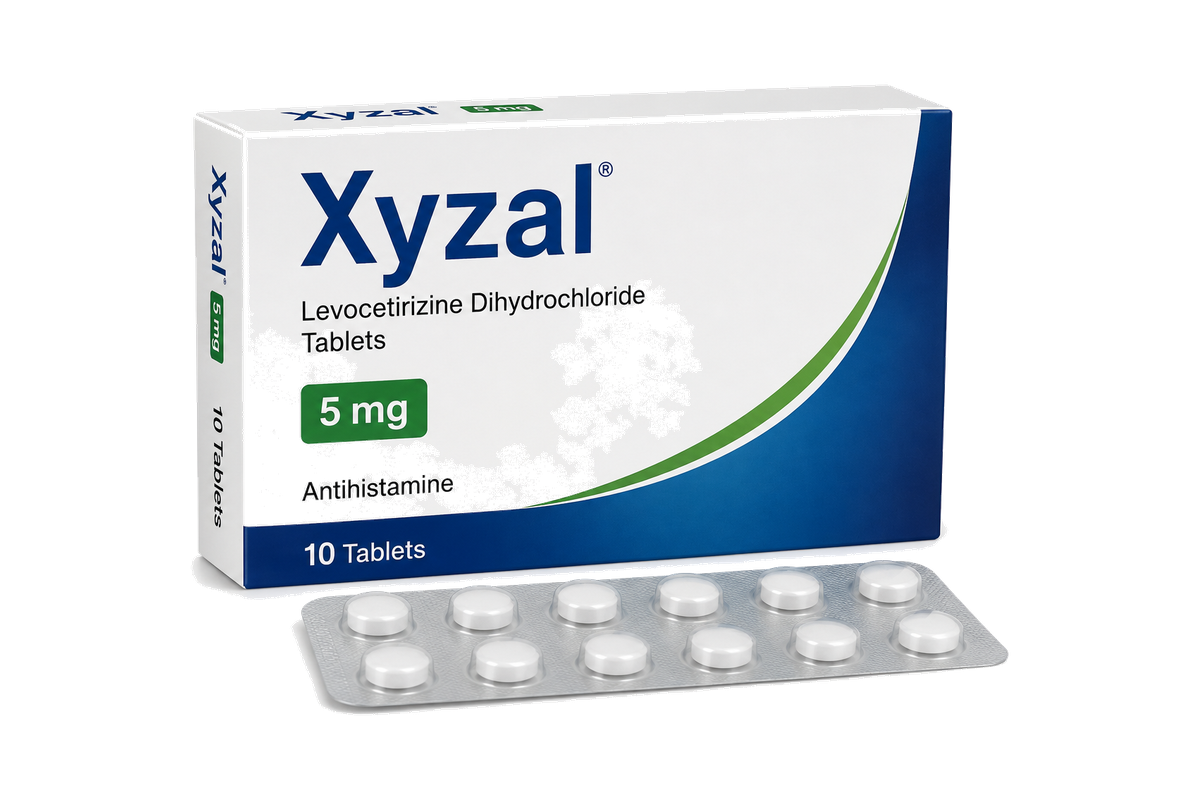
Levocetirizine 5 mg

Tablet · Oral

A non-sedating antihistamine sometimes used as an adjunct for daytime itch in eczema; evidence for relief of AD-specific itch is modest, but its low side effect burden makes it a reasonable option for patients whose daytime symptoms significantly affect quality of life.

Available now

Included in your plan if prescribed · Rx required

You won’t be charged until a clinician reviews and approves your case.

Start your assessment →

Not sure this is right for you? Take the quiz →

Oral antihistamine tablet

Why is Levocetirizine included?

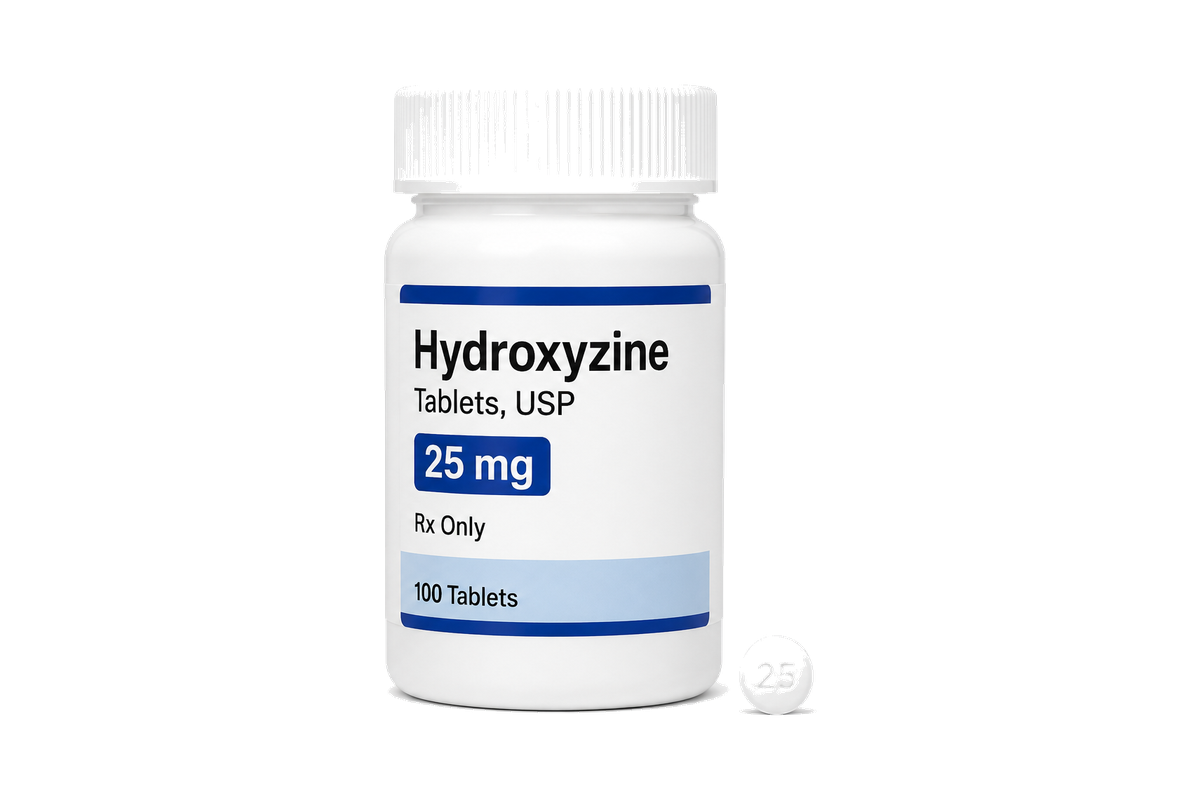
Levocetirizine 5mg is the active enantiomer of cetirizine (Zyrtec), the specific molecular form that carries essentially all of the H1 receptor blocking activity, refined to produce greater potency per milligram with less inter-patient variability and less sedation than the parent compound. It's the daytime counterpart to hydroxyzine: where hydroxyzine is prescribed for nighttime itch management specifically because of its sedation, levocetirizine is prescribed for patients who experience significant itch during the day and need a treatment that doesn't impair their ability to function.

The honest caveat that applies here is the same one that applies to hydroxyzine: histamine is not the primary driver of atopic dermatitis itch. The core itch of eczema is mediated by IL-31 and other Th2 cytokines, not primarily by histamine. Levocetirizine won't address the underlying inflammation. What it can do is reduce the histamine-mediated component of itch (which exists, even if it's not dominant), reduce co-occurring urticaria or allergic itch that often accompanies atopic dermatitis, and provide some degree of symptom relief that improves quality of life and reduces the frequency of scratch events during the day.

For patients with significant daytime itch (the kind that disrupts concentration, work, and social functioning) levocetirizine is a reasonable low-risk adjunct to the core anti-inflammatory treatment plan.

How does it work?

Levocetirizine competitively binds peripheral H1 histamine receptors throughout the body, blocking the ability of released histamine to generate downstream itch and inflammatory signals. Its selective peripheral activity (it penetrates the blood-brain barrier poorly compared to first-generation antihistamines like hydroxyzine) means it produces minimal sedation in most patients. It also has some mast cell stabilizing activity, reducing the extent to which mast cells degranulate and release histamine in the first place, which adds a mild preventive effect beyond simple receptor blockade.

Third-generation antihistamines like levocetirizine also have some anti-inflammatory properties beyond H1 blockade: they inhibit eosinophil migration and reduce expression of cell adhesion molecules. This is a secondary mechanism that contributes modestly to their utility in allergic inflammatory conditions, including atopic dermatitis.

How strong is the evidence?

The evidence for levocetirizine in atopic dermatitis specifically is modest. Because the itch of AD is predominantly cytokine-driven rather than histamine-driven, antihistamines have an inherently limited mechanism of action against it. There are some RCTs showing statistically significant reductions in itch scores compared to placebo, but effect sizes are not large. A Cochrane review of antihistamines for atopic eczema concluded that the evidence is generally weak and that antihistamines cannot be recommended as routine treatments for AD, while acknowledging that individual patients may experience symptomatic benefit.

For the histamine-mediated and allergic components of itch, which are more prominent in some patients than others, levocetirizine performs well. Patients with coexisting allergic rhinitis, food allergies, or urticaria alongside their eczema often benefit more than patients with purely endogenous atopic disease. Levocetirizine is FDA-approved and has an excellent safety profile, making it a reasonable low-risk adjunct when daytime itch is a significant quality-of-life issue, even if the evidence for it as a disease-modifying treatment is limited.

What are the limitations and risks?

The primary limitation is the one already stated: levocetirizine doesn't address the core immune dysregulation driving eczema. It won't reduce EASI scores meaningfully, won't prevent flares, and won't reduce the need for topical treatments. It's a symptom management tool, not an eczema treatment.

Sedation, while significantly less than first-generation antihistamines, is not zero. Some patients, particularly those who are sensitive to antihistamines, experience drowsiness with levocetirizine. Avoid driving or operating machinery until you know how your body responds, particularly in the first few days.

Levocetirizine is renally cleared. In patients with kidney impairment, dose adjustment is required, disclose any kidney conditions in your intake.

Drug interactions are minimal compared to hydroxyzine, but combining it with other CNS depressants (alcohol, benzodiazepines, sleep aids) can potentiate sedation. It's also not recommended with ritonavir (an HIV medication) due to increased drug exposure.
Frequently Asked Questions

Yes: this is a common pairing. Levocetirizine provides non-sedating daytime H1 blockade; hydroxyzine provides sedating nighttime itch interruption and sleep support. They work via the same receptor class but the different sedation profiles make them complementary rather than redundant. Your clinician will prescribe both if they assess this combination is appropriate for your situation.

Almost. Cetirizine (Zyrtec) is a racemic mixture of two mirror-image molecules. Levocetirizine is the active left-handed form, it carries essentially all the H1 receptor activity of cetirizine at half the dose. Xyzal is the brand name for levocetirizine 5mg; generic levocetirizine is the same molecule. Levocetirizine is somewhat more potent and slightly less likely to cause drowsiness than cetirizine.

To a very limited degree. The histamine-blocking effect reduces vasodilation modestly, which may reduce some visible redness in areas where mast cell activation is contributing. But the major drivers of eczema redness and inflammation are cytokine-mediated, not histamine-mediated. Don't expect topical steroid-level anti-inflammatory effects from an antihistamine.

Peak plasma concentrations are reached within about 1 hour. You should notice itch reduction within 1–2 hours of taking it. The effect lasts approximately 24 hours, supporting once-daily dosing. Most people take it in the morning to cover daytime hours; if you find any residual sleepiness, taking it in the evening while still getting the daytime benefit from the next morning onward is an option.

Both approaches are used. Daily dosing maintains consistent receptor occupancy and avoids the lag in protection you get with on-demand dosing. On-demand dosing reduces total drug exposure. For patients with persistent daily itch, once-daily consistent dosing usually provides better control. For patients with intermittent itch driven by identifiable triggers, on-demand use is reasonable. Your clinician will recommend based on your pattern.

That's a fair question. The honest answer is that for patients whose itch is severe enough to affect their daily functioning (concentration, work, social life) levocetirizine provides real symptomatic relief with a very low side effect burden. The evidence for disease modification is weak, but symptom management has its own value. If you try it for 2 weeks and it doesn't make a meaningful difference to your itch experience, it's reasonable to stop. If it helps, there's no good reason not to continue it as part of a comprehensive management plan.

Ready to get a personalized treatment plan?

Fern clinicians review every case individually. Most patients hear back in under 3 hours.

Start your free assessment →
Dr. Chethana Gottam, M.D., Board Certified Dermatologist

“There’s a specific look I recognize in eczema patients who’ve been managing on their own too long. They’ve stopped believing it can get better. Fern shortens that window of suffering. It gets people into real treatment before hopelessness sets in.”

Dr. Chethana Gottam, M.D.
Board Certified Dermatologist