Cleared completely in 36 hours
“Cleared completely in 36 hours and has never come back—this was 7 years ago!”
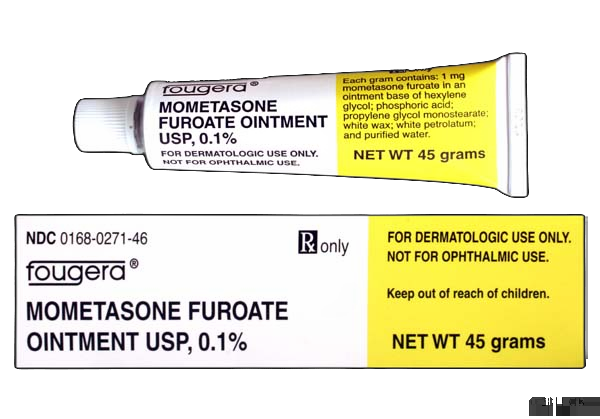
*Packaging may vary based on availability.
Generic for Elocon · Mid-potency cream/ointment · 45g
Mometasone furoate 0.1% is FDA-approved for atopic dermatitis in children aged 2 and older. It’s one of the few mid-potency steroids with strong evidence supporting once-daily efficacy — a practical advantage in pediatric eczema, where twice-daily regimens (applying medication at school, during active days, over the protests of a child who finds it uncomfortable) are objectively harder to maintain than once-daily ones.
Within the mid-potency class, mometasone sits toward the stronger end — some systems classify it as Class IV (mid-high). That gives it a clinical edge for more established, moderately severe body flares where triamcinolone or fluticasone might need twice-daily use and mometasone can achieve equivalent clearance once a day. Both cream and ointment are available: cream for acute, weeping flares; ointment for dry, thickened, or lichenified patches.
Mometasone has a high affinity for the glucocorticoid receptor and a skin residence time of roughly 24 hours after a single application. That sustained drug-receptor interaction is what supports once-daily efficacy: after it’s absorbed, therapeutic concentrations stay above the anti-inflammatory threshold for a full day, unlike some other mid-potency agents where activity fades sooner.
The ointment formulation is more occlusive, which increases penetration and effective potency per application — useful for thickened plaques but requiring more attention to application amount, and avoidance of tight or occlusive clothing over the treated area.
Mometasone 0.1% has pediatric-specific RCT data confirming once-daily efficacy for atopic dermatitis in children. Head-to-head pediatric trials comparing once-daily mometasone to twice-daily mid-potency alternatives show non-inferiority for clearance rates — the same outcome with half the applications.
It appears in pediatric eczema guidelines as an established option, and the once-daily dosing recommendation has been specifically studied and confirmed in children, not extrapolated from adult data. Twice-weekly proactive maintenance has also been studied in pediatric populations for flare-prevention on historically affected body sites.
Not for the face, not for skin folds (neck, groin, underarms, behind the knees), and not for extended uninterrupted daily use. In young children the HPA axis suppression risk with large-area coverage requires careful attention to application amount and total body-surface area treated — your clinician will spell out the area and duration limits.
Not for skin that’s actively infected. The ointment formulation can occasionally cause folliculitis (small inflamed bumps around hair follicles) on the arms and legs; if that happens, switch to cream and flag it to the care team. Once-daily dosing is an adherence advantage, but it doesn’t mean parents can apply liberally over large areas — thin layer, appropriate areas, prescribed frequency.
“Cleared completely in 36 hours and has never come back—this was 7 years ago!”

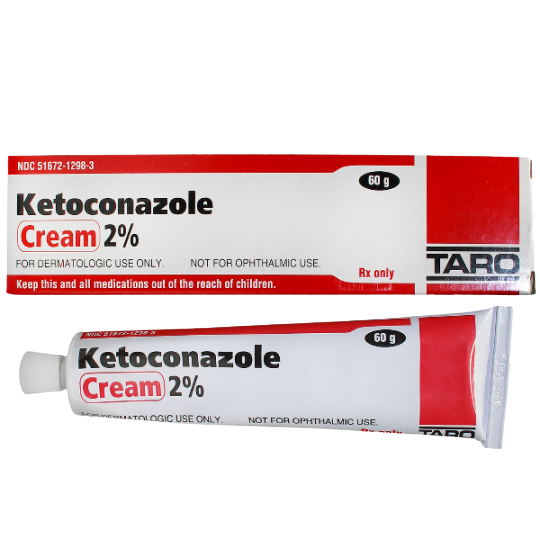
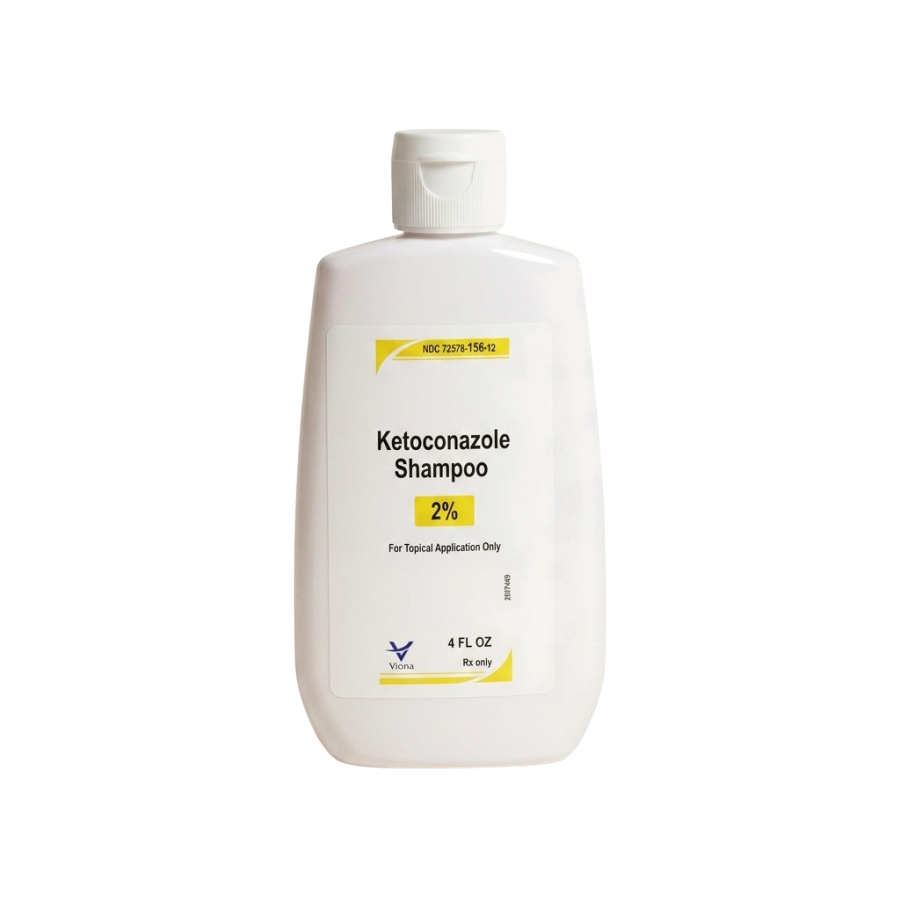
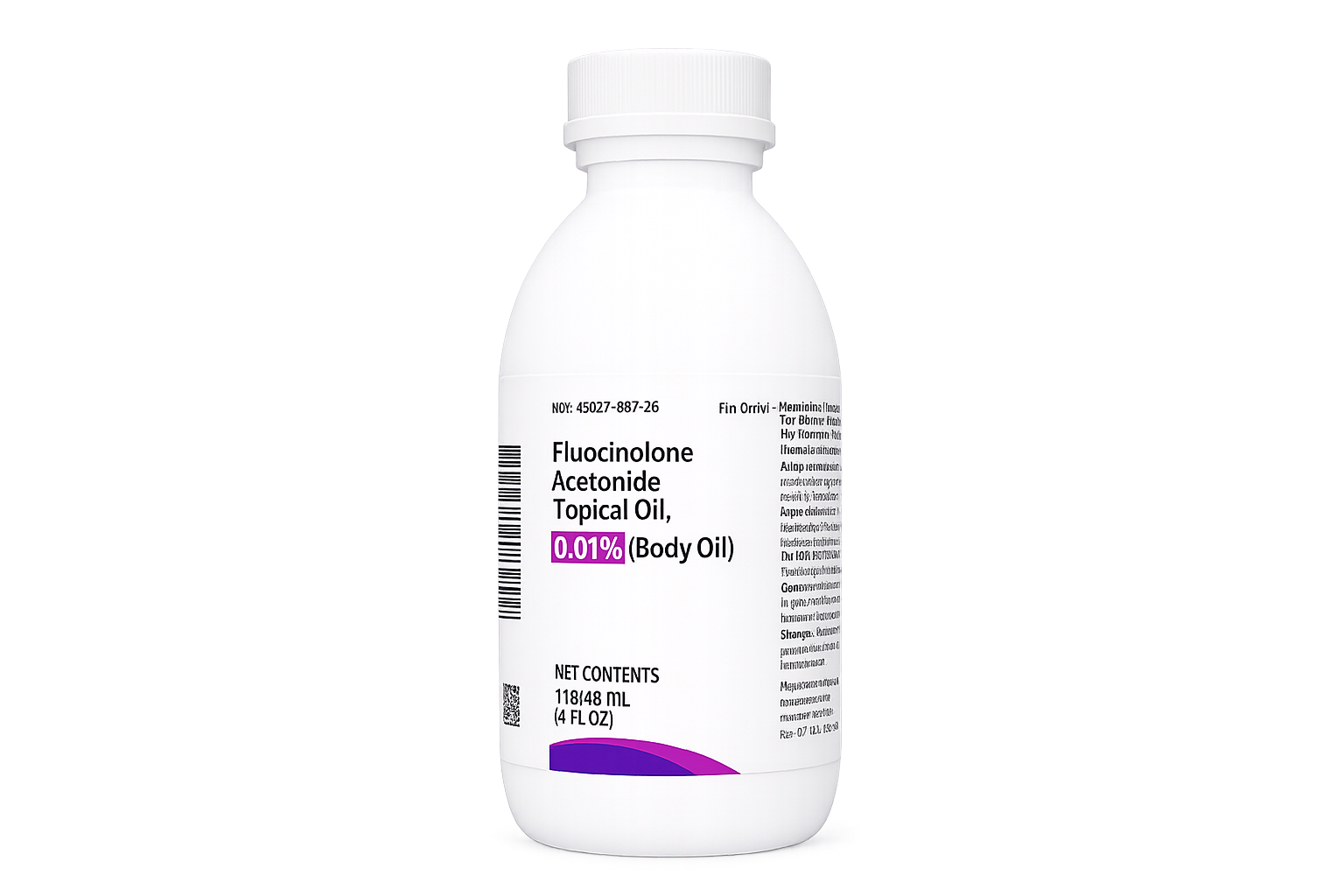
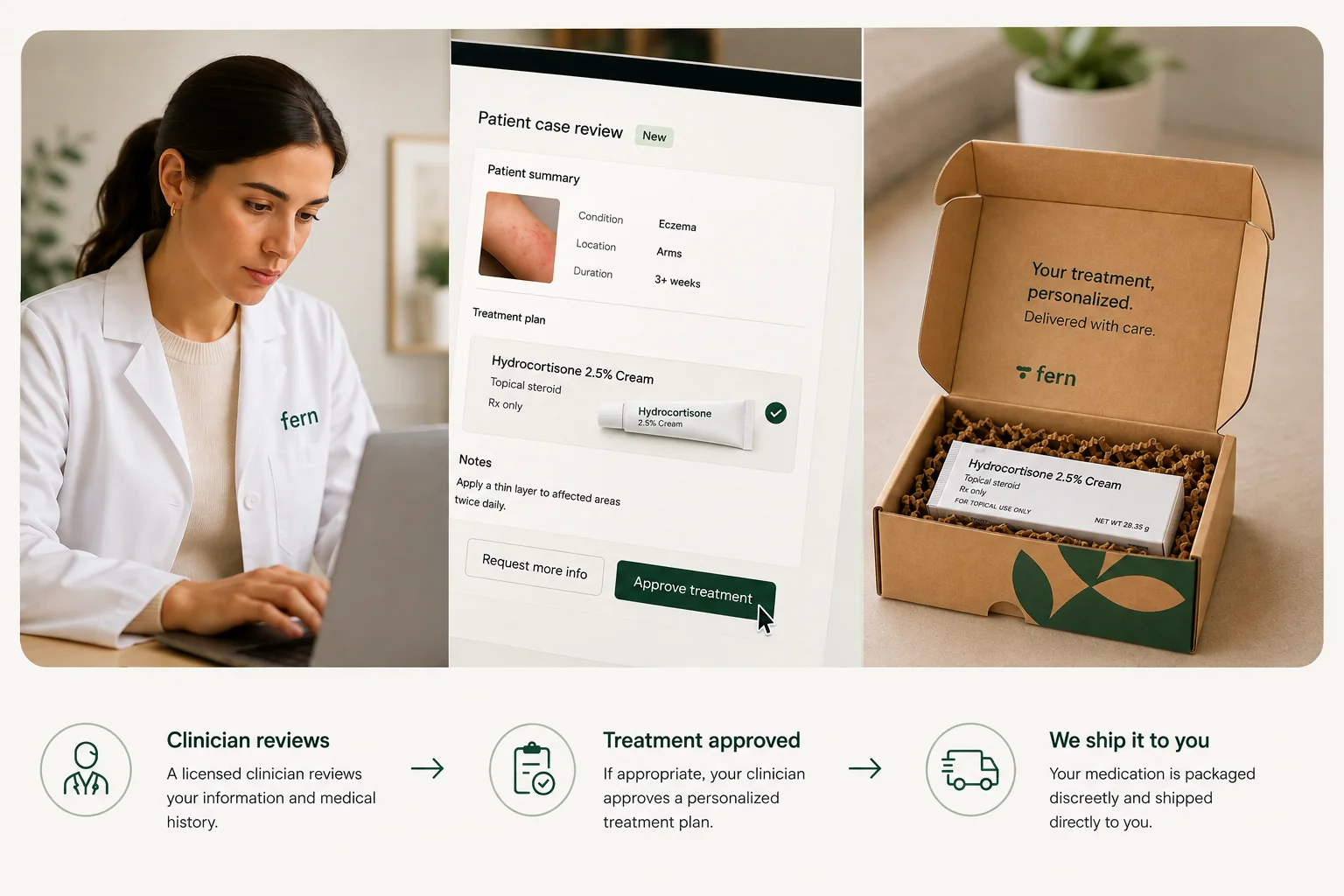
| Traditional | With Fern | |
|---|---|---|
| Doctor appointment | ~30 days to book | 5-hour clinician review |
| Getting the Rx | Separate pharmacy trip | Shipped to your door |
| Cost | Insurance + copays | $35/mo, no insurance |
| Follow-up | Second appointment | Message the care team |
Yes — the clinical trials confirm it. Mometasone’s receptor affinity and skin retention time mean that a once-daily application maintains therapeutic concentrations for approximately 24 hours. Adding a second application doesn’t increase efficacy and does increase cumulative dose. For children, once-daily dosing is a real practical advantage, not a compromise.
Yes. For most acute pediatric presentations, the cream is entirely appropriate and more comfortable for children. The ointment has an advantage for dry, thickened, chronic patches where better occlusion and penetration help — if your child’s presentation is more often acutely inflamed and weeping rather than thick and scaling, cream is the right vehicle.
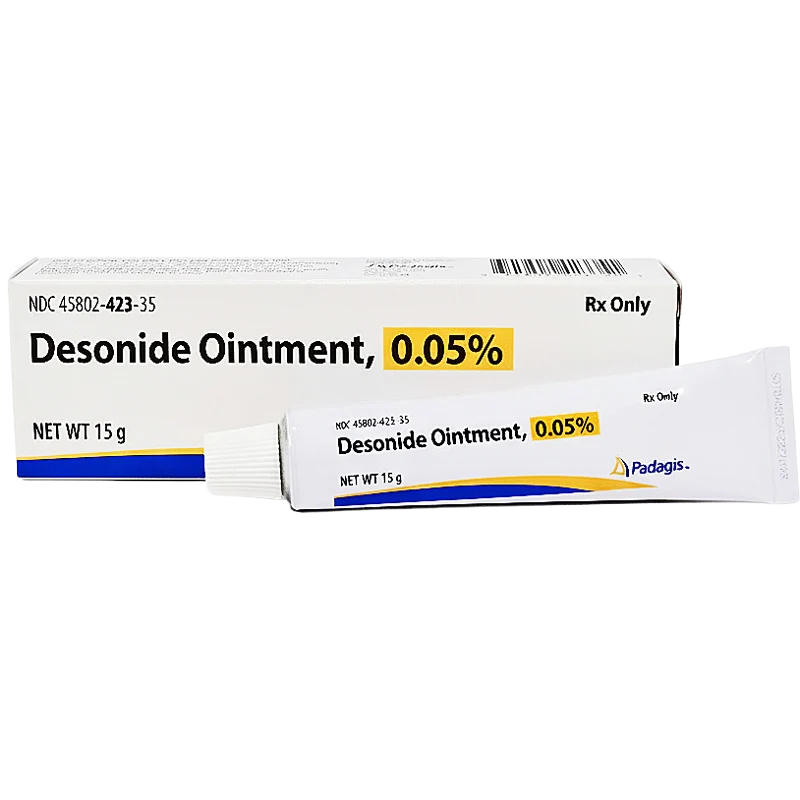
Trunk, arms, legs, and back — the standard body sites for a mid-potency steroid. Not the face, not the neck, not the diaper area, not skin folds behind the knees or in the elbow creases. For flares in those areas your clinician will prescribe a lower-potency option (hydrocortisone or desonide) instead.
A 7–14 day acute course is the standard: apply once daily until the flare clears, then stop. Extended daily use for a month without reassessment isn’t the recommended approach for any mid-potency steroid in children. If your child’s body-site involvement is continuous, the discussion shifts toward longer-term strategies like proactive maintenance or non-steroidal options.
Skin thinning on treated areas (shiny, fragile-looking skin), small visible blood vessels where there weren’t any before, or bruising more easily at application sites. Unexpected weight gain alongside steroid use, or unusual lethargy, are signs of systemic absorption worth reporting. These are uncommon with appropriate use but worth knowing.
Fern clinicians review every case individually. Most patients hear back in under 3 hours.
Start your child's assessment →This information is for educational purposes only and is not medical advice. Consult with a healthcare provider before starting any treatment.

“There’s a specific look I recognize in eczema patients who’ve been managing on their own too long. They’ve stopped believing it can get better. Fern shortens that window of suffering. It gets people into real treatment before hopelessness sets in.”