Kids Treatments / Ointment

Mupirocin 2%

Ointment · Topical · Pediatric

An antibiotic targeting Staphylococcus aureus, the bacteria that colonizes nearly all children with eczema and actively worsens their disease, making its treatment a necessary step when infection is present.

Available now

Included in your child’s plan if prescribed · Rx required

You won’t be charged until a clinician reviews and approves your child’s case.

Start your child’s assessment →

Not sure this is right? Take the quiz →

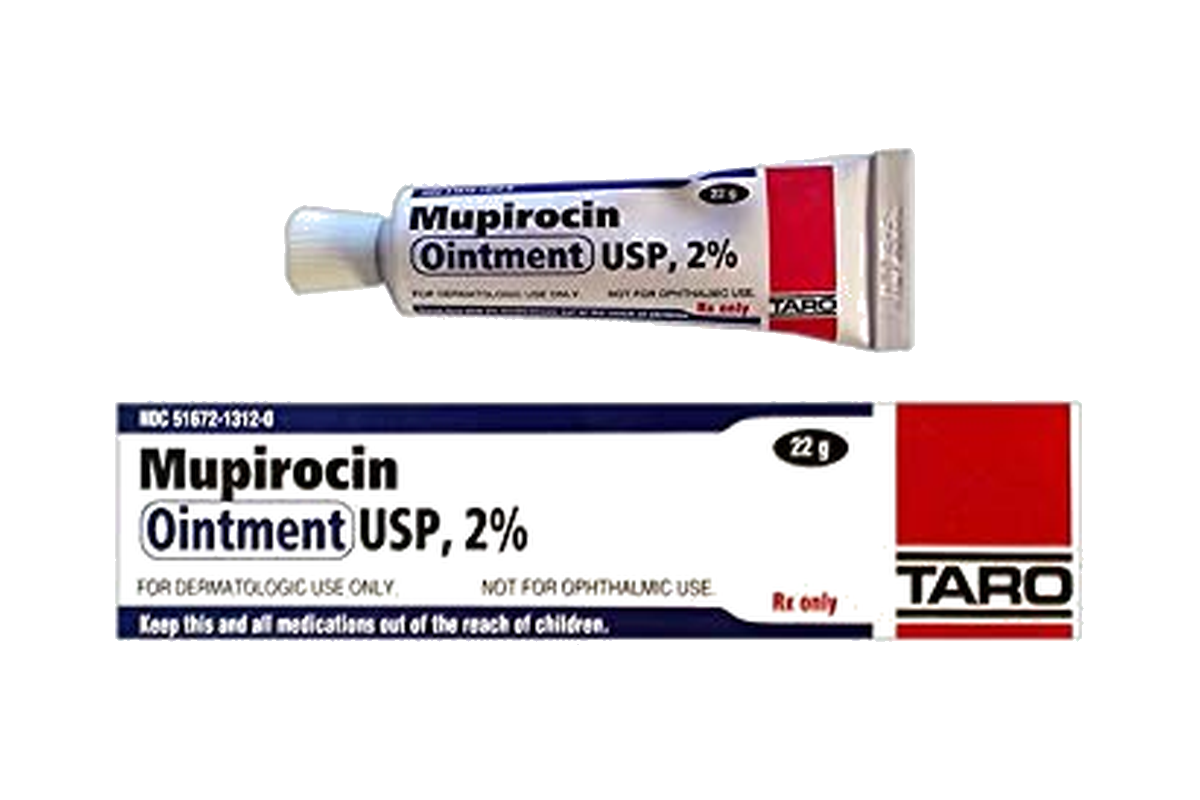
Mupirocin 2% ointment tube

Why is Mupirocin 2% included?

More than 90% of children with atopic dermatitis carry Staphylococcus aureus on their skin, compared to roughly 20% of children without eczema. This colonization isn't coincidental. The compromised skin barrier that defines eczema allows Staph to establish on the skin surface at densities that an intact barrier would prevent. Once there, Staph produces exotoxins and superantigens that directly activate immune cells in the skin and amplify the Th2 inflammatory cascade, the same dysregulated immune response that drives eczema. In other words, the bacteria don't just infect damaged skin; they actively fuel the disease that keeps the skin damaged.

In children, this relationship between Staph colonization and eczema severity is well-documented. Studies measuring Staph density on eczematous skin in children consistently find correlation with disease severity scores. When Staph is reduced, by mupirocin or by bleach bath protocols, eczema severity typically improves alongside it. For a child whose eczema isn't responding to anti-inflammatory treatment as expected, Staph superinfection should be one of the first considerations.

Mupirocin is specifically prescribed for children showing signs of active bacterial superinfection (honey-colored crusting, increased oozing, pain beyond typical itch, or failure to respond to a steroid course that has worked before) or as part of a targeted decolonization protocol when infection-driven flares are recurrent.

How does it work?

Mupirocin inhibits bacterial isoleucyl-tRNA synthetase, an enzyme Staphylococcus (and Streptococcus) need to build proteins. Without it, the bacteria cannot reproduce. Critically, this mechanism is unique, no other clinical antibiotic inhibits this enzyme, which means there is no cross-resistance with penicillin, erythromycin, or other common antibiotics. Applied topically, mupirocin achieves bactericidal concentrations in the superficial skin and its secretions, clearing Staph from the colonized surface and resolving superficial infections within days.

How strong is the evidence?

Mupirocin is FDA-approved for impetigo (a Staph/Strep superficial skin infection) with robust pediatric trial data. For atopic dermatitis specifically, multiple pediatric RCTs confirm that treating Staph superinfection with topical antibiotics significantly improves eczema severity scores, providing direct evidence that Staph is a disease driver, not a passive bystander. Decolonization protocols in children, including nasal mupirocin (since nasal carriage is a Staph reservoir) and body mupirocin, have shown reduction in eczema flare frequency in controlled studies.

What are the limitations and risks?

Mupirocin resistance emerges with overuse. This is not theoretical, mupirocin-resistant Staph strains are increasingly documented, and their emergence correlates with repeated or prolonged topical antibiotic use. Mupirocin should be used for defined courses (5–10 days) for active infection or specific decolonization protocols, not as an indefinite preventive measure.

It has no activity against viruses. The most dangerous skin infection a child with eczema can develop is eczema herpeticum, a widespread herpes simplex infection across eczematous skin. Eczema herpeticum presents with clustered punched-out blisters or erosions, fever, malaise, and rapid spread. It requires urgent systemic antiviral treatment, not mupirocin. If your child develops this presentation, seek emergency care immediately.

Do not apply mupirocin as a substitute for anti-inflammatory treatment. It clears the infection; the steroid or calcineurin inhibitor treats the underlying inflammation. Both are typically needed when infection is present.

Frequently Asked Questions

Signs of Staph superinfection in children: honey-colored or yellowish crusting (different from the normal scaling of eczema), weeping that seems thicker or more yellow-green than usual, skin that is more painful than itchy, and eczema that isn't responding to topical steroids that have worked before. Fever suggests a more significant infection. If you're uncertain, a photograph and description sent through Fern is sufficient for your clinician to assess, culture swabs from a local urgent care or pediatrician can confirm if needed.

Yes: this is the standard approach when infection is confirmed. Mupirocin treats the bacteria; the steroid treats the inflammation. Apply them at separate times of day (mupirocin in the morning, steroid in the evening, for example) unless your clinician specifies otherwise. Treating the infection first and the inflammation second is the correct sequence for severe cases where both are clearly present.

Bleach baths (dilute sodium hypochlorite baths, typically 0.005%, about half a teaspoon of regular bleach per gallon of water) are a separate decolonization strategy. They reduce Staph colonization across the entire skin surface and are often recommended alongside or instead of mupirocin for ongoing Staph management. The evidence supports them for reducing eczema severity in children with recurrent Staph-associated flares. They're not mutually exclusive with mupirocin, some clinicians recommend both. Your Fern clinician can advise on whether this protocol is appropriate for your child.

5–10 days for active infection, applied three times daily to affected areas. For nasal decolonization (if prescribed as a specific protocol), typically twice daily for 5 days inside each nostril. Do not extend beyond 10 days without follow-up, the resistance risk increases with longer courses.

Yes: mupirocin is used in infants and is considered safe for topical application in this age group. The FDA-approved impetigo indication includes pediatric patients. Avoid application around the mouth, as ingestion of small amounts is possible with infants who put their hands in their mouths.

Recurrent Staph-driven eczema flares are a pattern worth addressing systematically, not just treating each episode individually. Strategies include: mupirocin decolonization protocols (nasal and skin), bleach baths, household decolonization (treating siblings and parents who may be Staph carriers re-seeding your child), environmental measures (frequent washing of bedding, soft toys), and optimizing the anti-inflammatory treatment to maintain better barrier function and reduce colonization risk. Discuss this pattern with your clinician rather than just repeating mupirocin courses each time.

Ready to get a personalized treatment plan for your child?

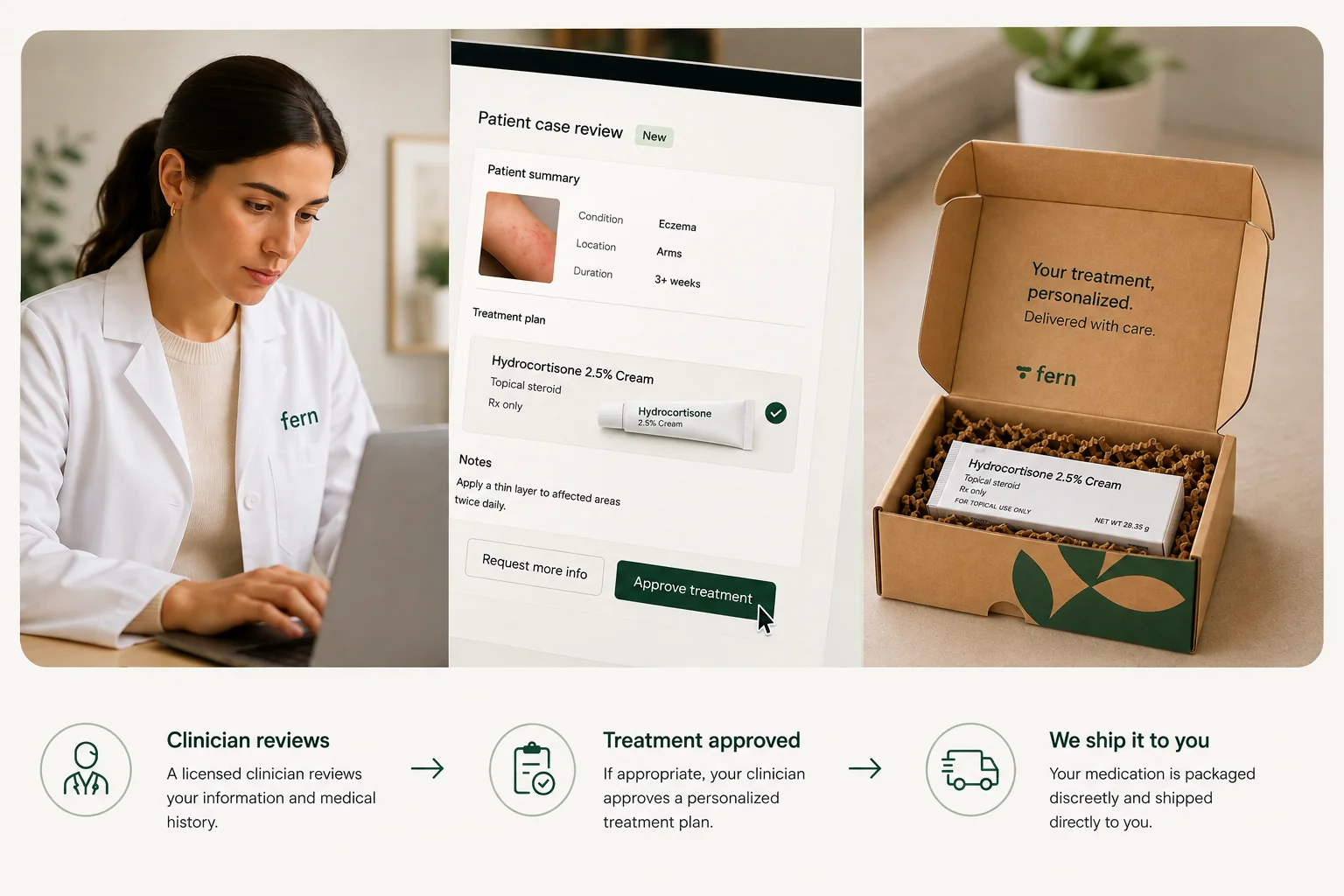
Fern clinicians review every case individually. Most families hear back in under 3 hours.

Start your free assessment →
Dr. Chethana Gottam, M.D., Board Certified Dermatologist

“There’s a specific look I recognize in eczema patients who’ve been managing on their own too long. They’ve stopped believing it can get better. Fern shortens that window of suffering. It gets people into real treatment before hopelessness sets in.”

Dr. Chethana Gottam, M.D.
Board Certified Dermatologist