Kids Treatments / Cream

Triamcinolone acetonide 0.1%

Cream · Topical · Pediatric

A mid-potency steroid for moderate eczema on the trunk and limbs in children, more effective than low-potency options for established body flares, restricted to non-facial, non-fold areas where the skin can tolerate its fluorinated formulation.

Available now

Included in your child’s plan if prescribed · Rx required

You won’t be charged until a clinician reviews and approves your child’s case.

Start your child’s assessment →

Not sure this is right? Take the quiz →

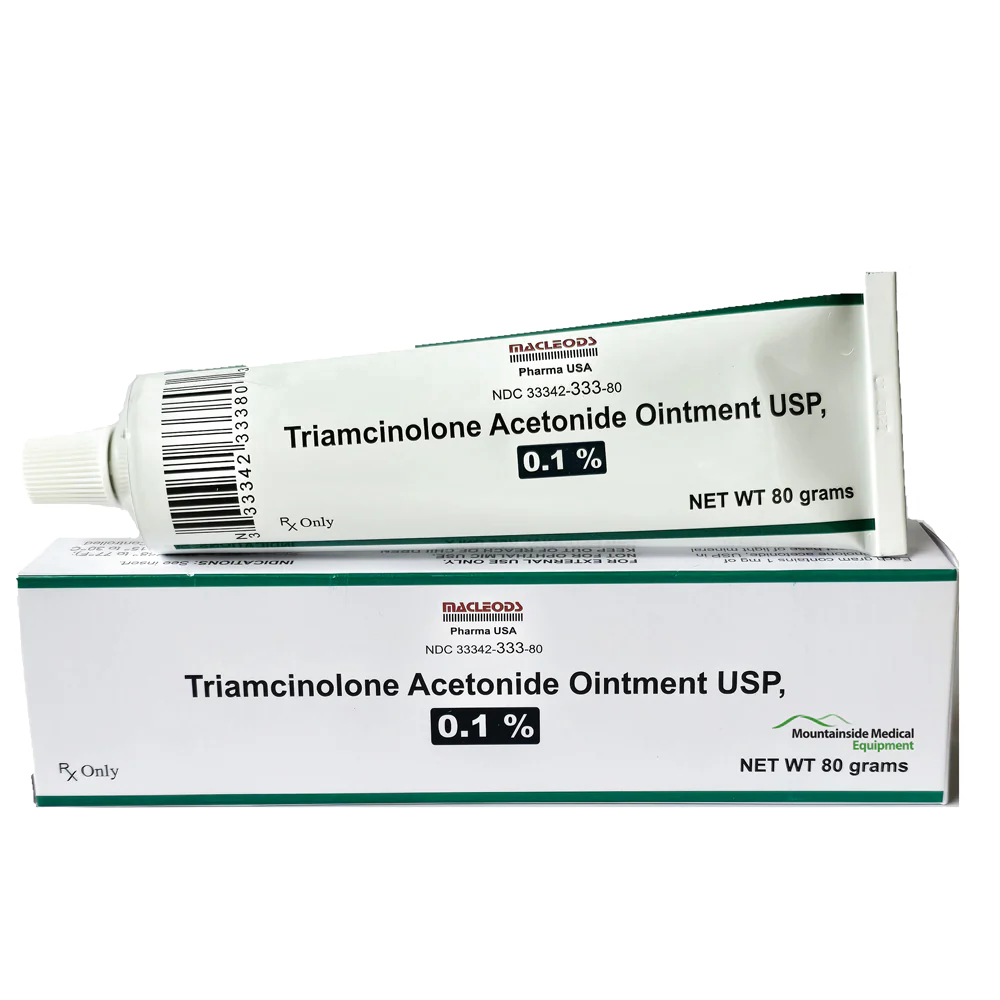
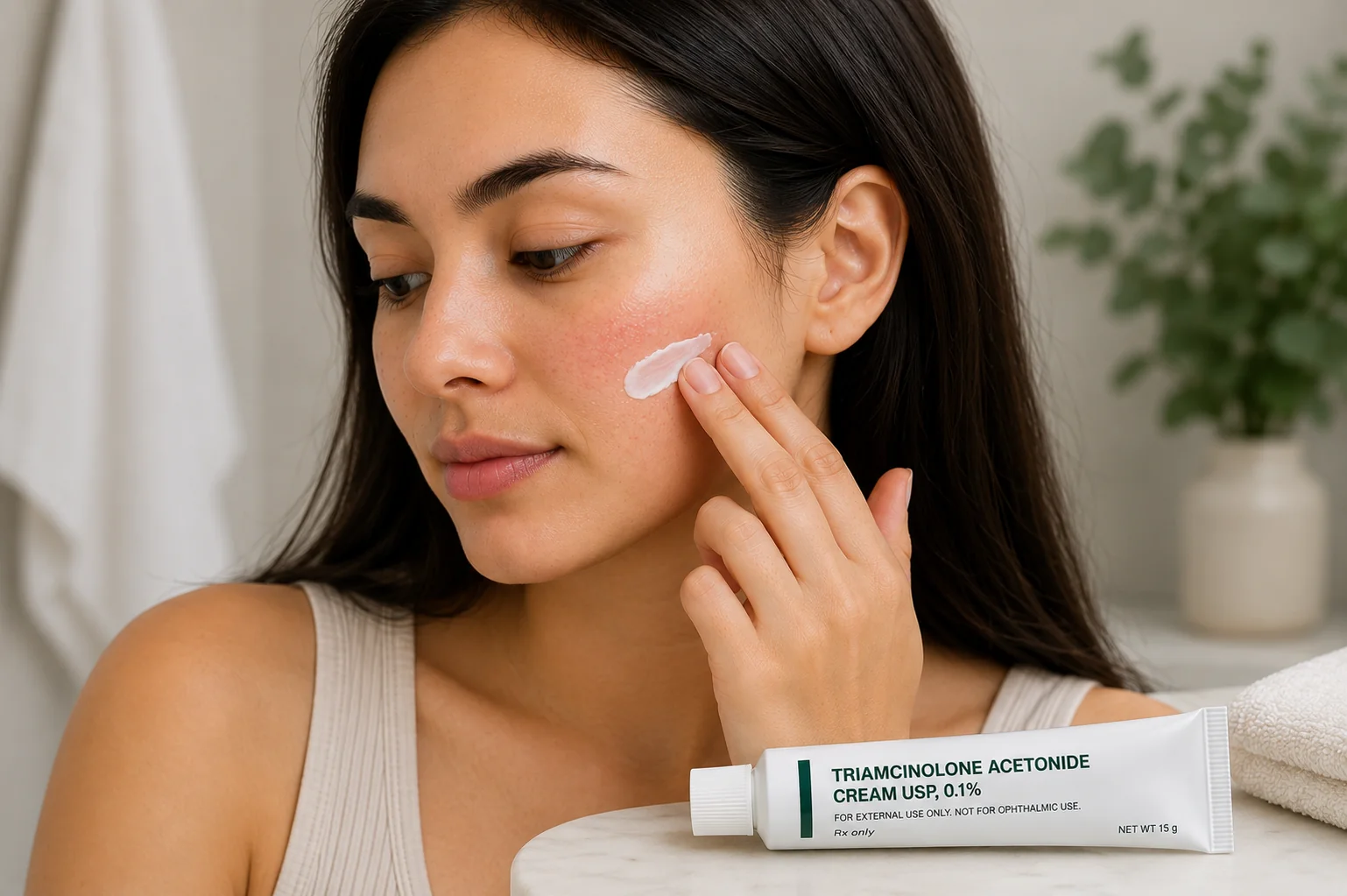
Triamcinolone acetonide 0.1% cream tube

Why is Triamcinolone acetonide 0.1% included?

Childhood eczema frequently involves more than just the face and folds. Trunk, arms, legs, and the antecubital and popliteal fossae (inside elbows and behind knees) are common and often more severely affected sites in children over 2 years, and low-potency steroids routinely fail to fully clear established flares at these locations. Triamcinolone acetonide 0.1% is a mid-potency fluorinated corticosteroid that provides significantly greater anti-inflammatory activity than hydrocortisone or desonide, appropriate for the thicker-skinned areas of the trunk and extremities where this additional potency is both needed and safe to use.

It is the most prescribed topical steroid in the United States across all age groups. Its use in children over 2 for body eczema is well-established in pediatric dermatology, with the explicit understanding that it is not used on the face, neck, or skin folds, those areas belong to the low-potency and calcineurin inhibitor options. The 80g tube reflects that body-site eczema in children often involves larger surface areas, particularly in younger children whose entire trunk may be affected.

How does it work?

Triamcinolone is a fluorinated glucocorticoid, which means the fluorine substituent increases both its receptor affinity and skin penetration compared to non-fluorinated compounds at similar concentrations. The result is faster, more complete suppression of the NF-κB-driven cytokine cascade responsible for eczema inflammation on the body, where thicker stratum corneum requires higher drug penetration to reach the active inflammatory cells in the dermis.

For children specifically, the cream formulation has good penetration characteristics for the relatively moist, often weeping presentation of pediatric body eczema flares. Twice-daily application maintains therapeutic drug concentrations in the skin throughout the day.

How strong is the evidence?

Triamcinolone 0.1% has extensive pediatric evidence as part of the broader topical corticosteroid literature, supplemented by direct pediatric trials. It is included in AAD, EADV, and BAD pediatric eczema guidelines as a standard mid-potency agent for body-site involvement. Multiple pediatric RCTs confirm its superiority over low-potency agents for moderate-to-severe eczema on the trunk and extremities.

The proactive twice-weekly maintenance dosing strategy, applying to previously affected skin even when clear to prevent recurrence, has pediatric-specific evidence that supports its use in children with recurring body-site eczema.

What are the limitations and risks?

The fluorinated mid-potency classification means triamcinolone is not for the face, neck, eyelids, or skin folds at any age. This is the most important restriction for parents to internalize. Children's eczema frequently involves the face alongside body sites, and it's tempting to use whatever works on all affected areas, but triamcinolone on a child's face creates real atrophy risk.

The HPA axis suppression concern is more significant with mid-potency steroids in children than with low-potency options. Children's higher surface-area-to-body-weight ratio means that applying triamcinolone over a large percentage of a young child's body surface area (as can happen in widespread eczema flares) carries a more meaningful systemic absorption risk than equivalent coverage in an adult. Your clinician should know the extent of your child's body surface area involvement when prescribing.
Short courses (7–14 days) on appropriate body sites have a well-established safety record in children. Extended use, large coverage areas, and use under occlusive clothing or bandages increase risk.

Frequently Asked Questions

Most pediatric dermatologists use triamcinolone 0.1% in children from around age 2 for body-site involvement. In younger children (under 2), the surface-area-to-body-weight ratio and skin permeability are high enough that the risk-benefit calculation more often favors staying with low-potency options, even for body sites. Your Fern clinician will take your child's age and the extent of involvement into account.

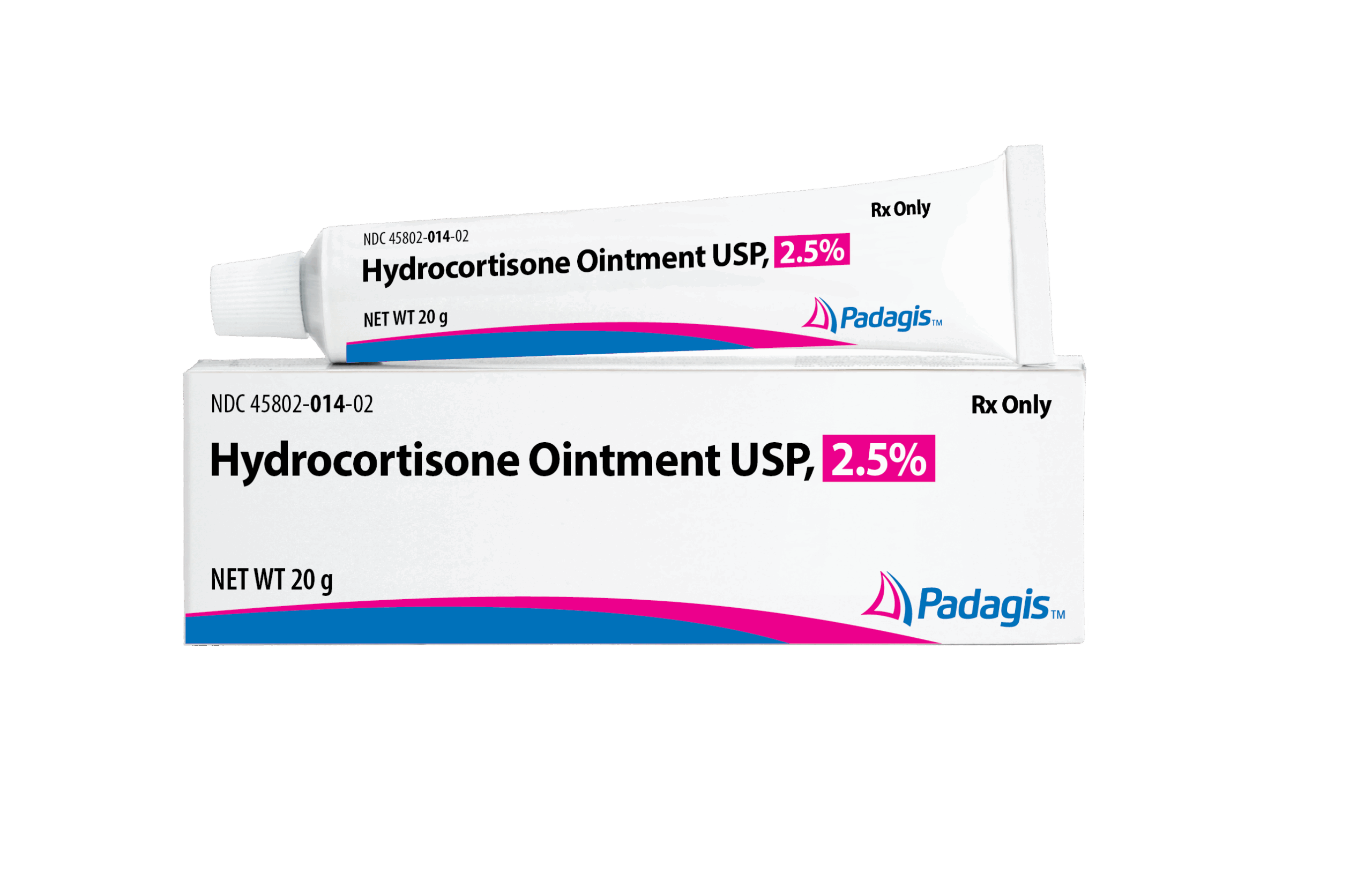
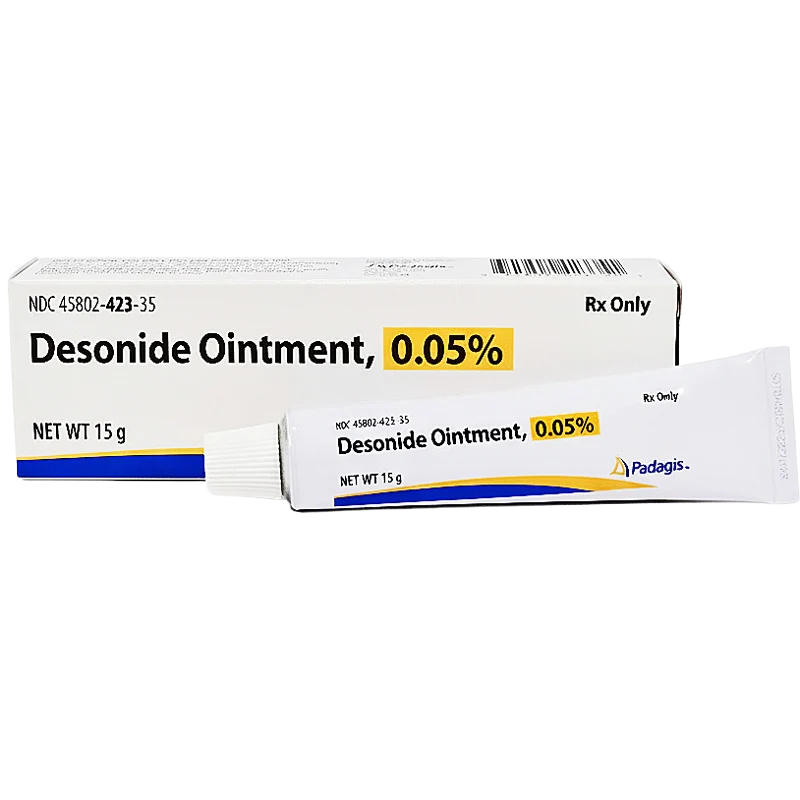
No. Use triamcinolone only on trunk and extremity (arm and leg) involvement. Use a low-potency steroid (hydrocortisone 2.5% or desonide) for facial and neck involvement, and a calcineurin inhibitor (tacrolimus 0.03%) for long-term facial maintenance. Widespread eczema in a child warrants clinician guidance on how to treat different areas simultaneously with appropriate-potency options.

The fingertip unit (FTU) is the standard guide, the amount from fingertip to first joint crease on an adult's finger. For a 3–5 year old child: 1 FTU for the trunk front or back; 1 FTU for the entire arm; 1.5 FTU for the entire leg. Use less for younger children. A common parent error is applying too much, which doesn't increase efficacy but does increase absorption and systemic risk.

HPA axis suppression from topical steroids, if it occurs, can theoretically affect the cortisol-related hormonal environment. Clinically significant growth effects from appropriate short-course topical steroid use are very rare and not well-documented in the literature. They are a meaningful concern with systemic steroids (oral prednisone), not with topical use at standard amounts and areas. If you're concerned about long-term steroid use and growth, this is a conversation worth having with your clinician about transitioning to non-steroidal options for maintenance.

For a child with recurring eczema in the same body locations, typically the antecubital or popliteal fossae, proactive dosing means applying triamcinolone twice weekly to those areas even when the skin looks clear. You pick two consistent days (e.g., Monday and Friday) and apply a thin layer to the historically affected spots. This approach has RCT support in children and significantly reduces the frequency of new flares compared to reactive treatment only.

Triamcinolone addresses the underlying inflammation, which drives the itch. Effective anti-inflammatory treatment typically reduces nighttime scratching significantly within the first week of a course. For persistent nocturnal itch even with effective topical management, Hydroxyzine (the sedating antihistamine in the formulary) is specifically prescribed for this purpose.

Ready to get a personalized treatment plan for your child?

Fern clinicians review every case individually. Most families hear back in under 3 hours.

Start your free assessment →
Dr. Chethana Gottam, M.D., Board Certified Dermatologist

“There’s a specific look I recognize in eczema patients who’ve been managing on their own too long. They’ve stopped believing it can get better. Fern shortens that window of suffering. It gets people into real treatment before hopelessness sets in.”

Dr. Chethana Gottam, M.D.
Board Certified Dermatologist