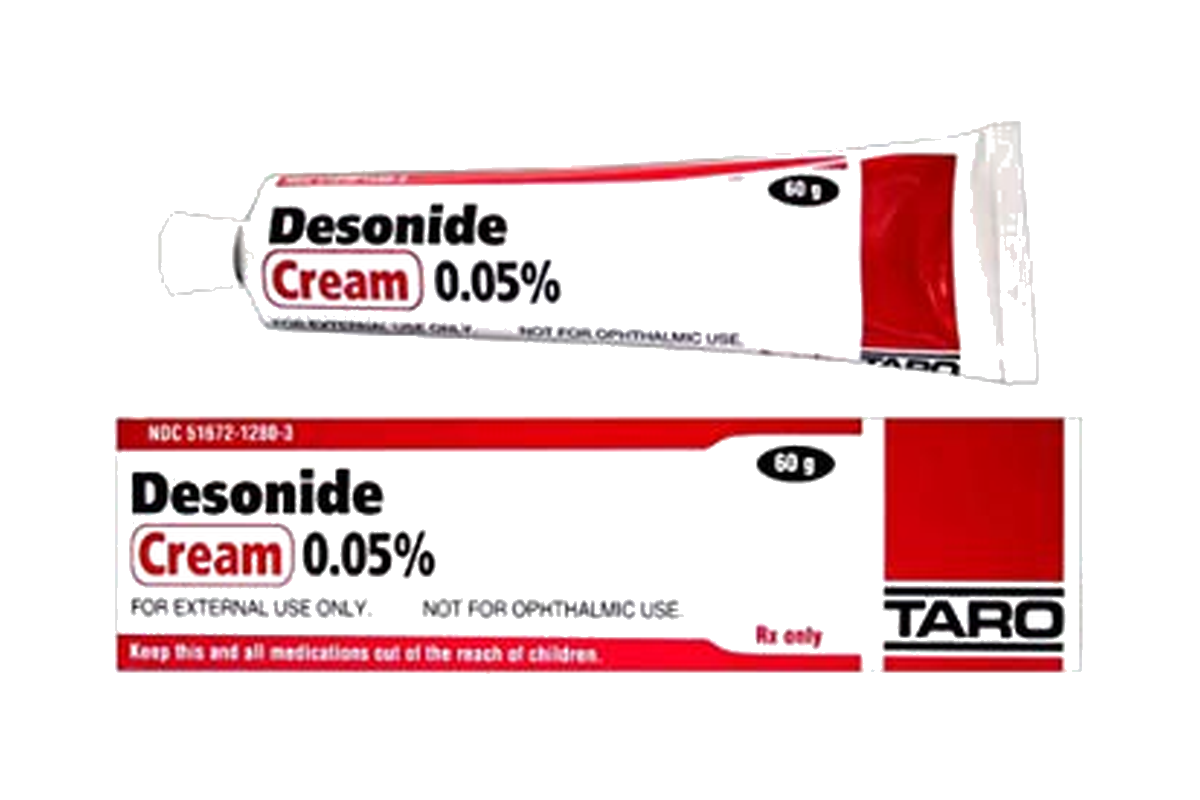
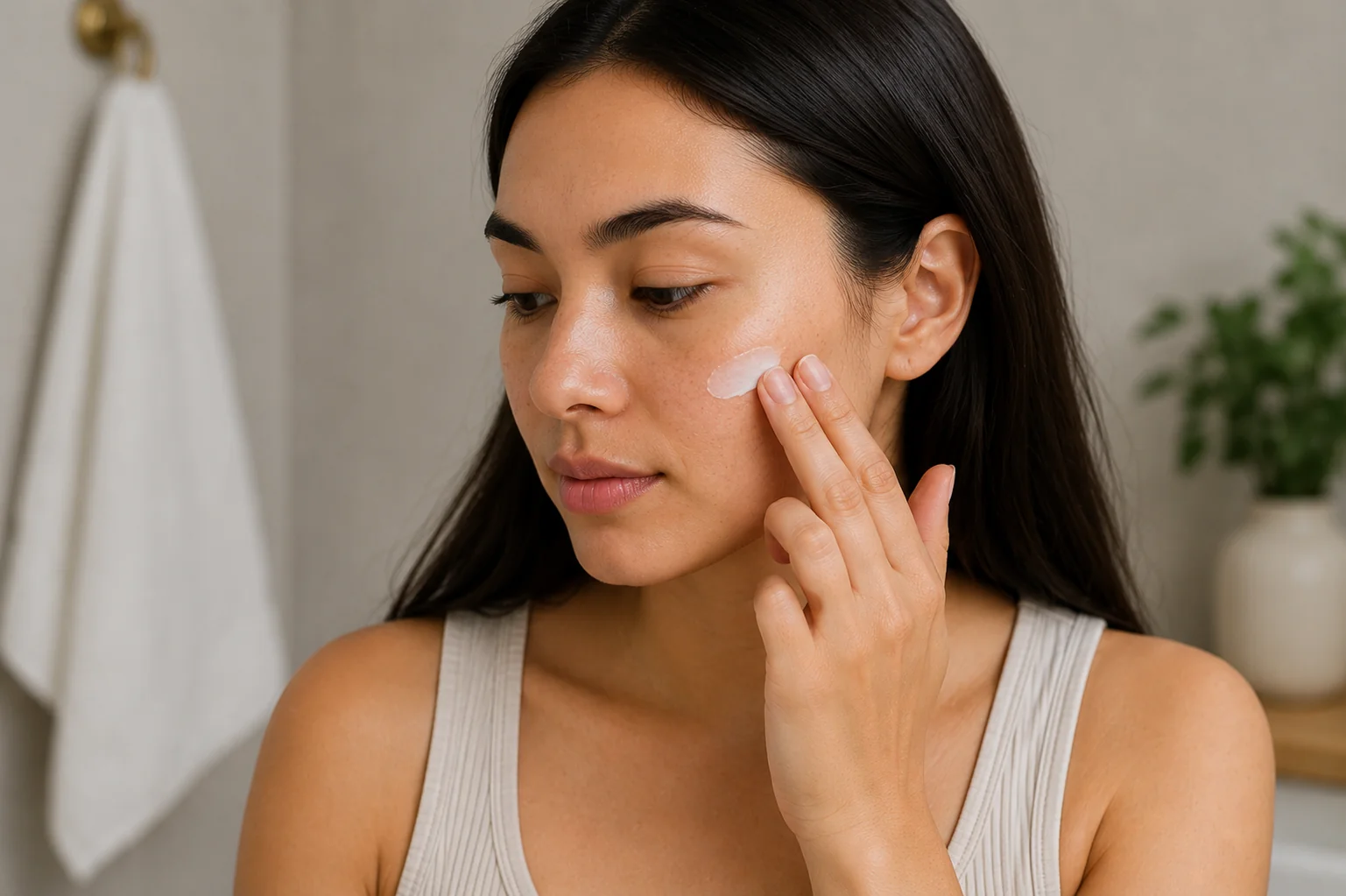
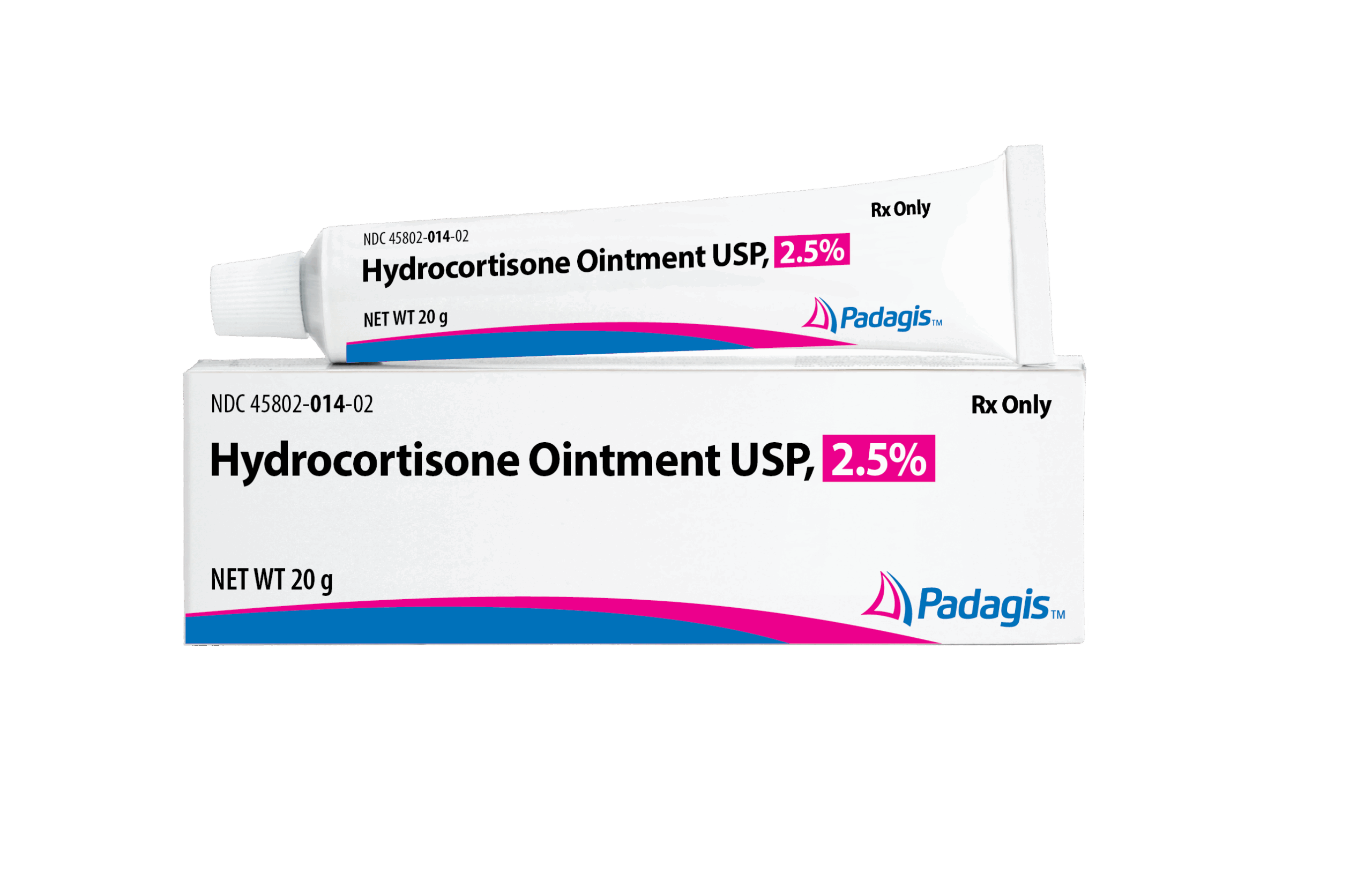
Desonide 0.05% and hydrocortisone 2.5% share a potency tier but not a structure. Desonide is non-fluorinated — it lacks the fluorine atom that increases potency but also increases the risk of skin thinning over time. For pediatric eczema on the face, eyelids, and skin folds where kids need effective treatment they can use without accumulating atrophy risk, desonide is often the preferred prescription steroid.
Pediatric dermatologists commonly choose it specifically for eyelid and periorbital eczema, where parents understandably worry about long-term effects near the eye. The foam formulation (Verdeso) is FDA-approved for atopic dermatitis in children as young as 3 months, which speaks to the molecule’s established safety profile in very young patients. The 60 g tube reflects that it’s often used across broader areas or in longer courses on sensitive sites.
Desonide binds glucocorticoid receptors in skin cells and suppresses inflammatory transcription factors (NF-κB, AP-1) that drive cytokine production in eczema. The mechanism is essentially identical to hydrocortisone; the difference is pharmacokinetic. Without the fluorine substituent, desonide binds with slightly lower affinity to glucocorticoid receptors and produces proportionally less effect on collagen-producing cells in the dermis — that’s what makes it gentler on skin structure with prolonged use.
In children, whose skin collagen and structural proteins are still developing, the reduced structural disruption from non-fluorinated steroids is especially relevant. Most kids notice reduced itch within 24–48 hours; full clearance of a flare typically takes 5–7 days.
Desonide 0.05% has specific pediatric RCT data for atopic dermatitis, including Verdeso foam trials in children as young as 3 months. Evidence supports its efficacy for mild-to-moderate pediatric AD on face and body. The AAD and other pediatric dermatology guidelines include desonide among their recommended low-potency agents for childhood eczema, specifically noting suitability for facial and flexural use in young children.
Long-term safety data from multiple studies confirms the absence of significant HPA axis suppression at standard doses in children, and the non-fluorinated structure is consistently associated with lower atrophy rates than fluorinated compounds in head-to-head comparisons.
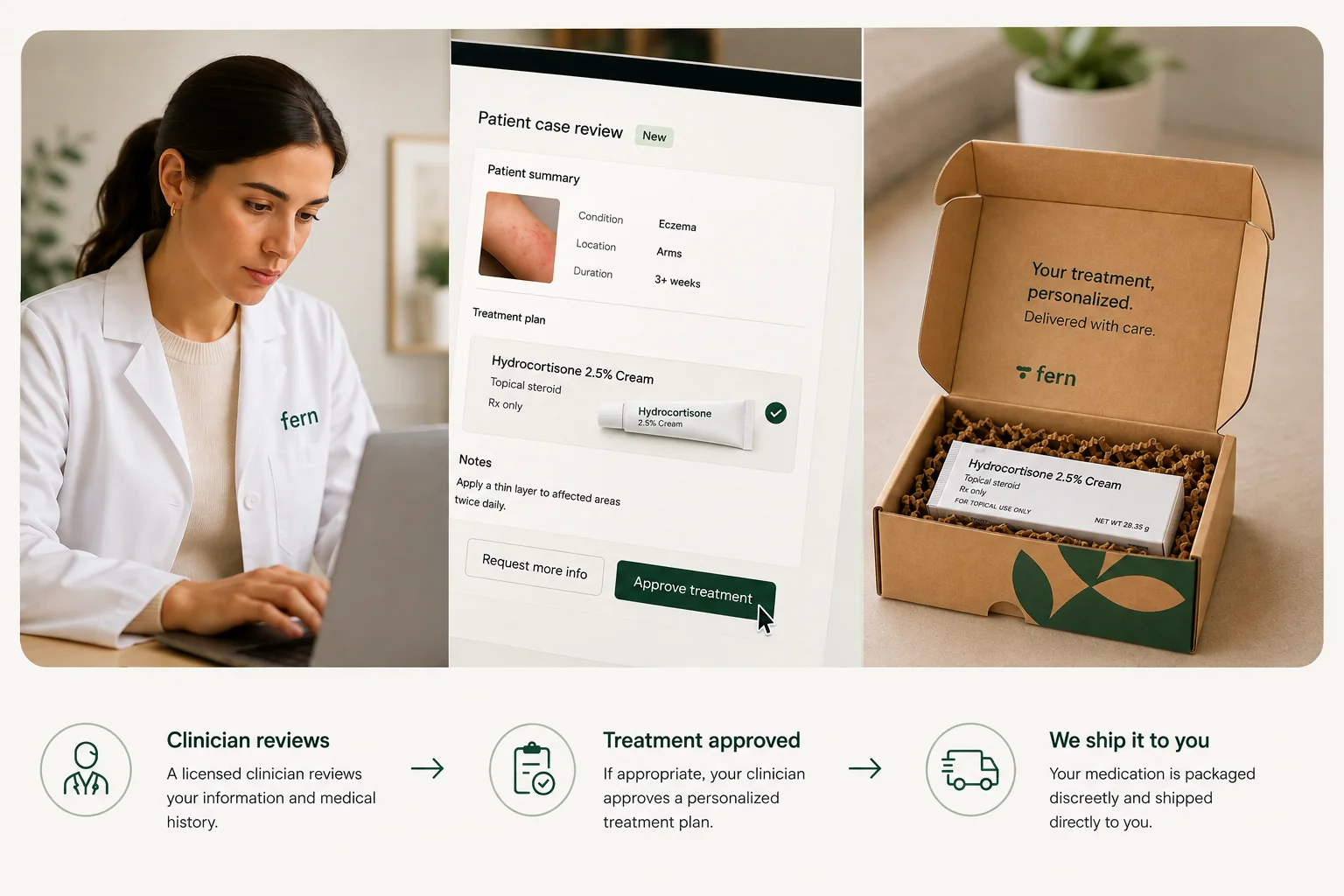
Skip it on skin that’s actively infected — oozing, crusting, increased warmth, or pain rather than itch are signs to hold off. Steroids dampen local immune response and can let a bacterial or viral infection spread. Your Fern clinician screens for this before prescribing.
For severe or highly inflamed eczema on the trunk and limbs, desonide may not provide enough anti-inflammatory activity; if a 7–14 day course on body sites isn’t producing clearance, a mid-potency steroid on those areas is usually the right next step. Don’t apply under tight occlusion unless directed, and don’t apply to actively broken or bleeding skin without clinician guidance. Thin layers, affected areas only, short courses.