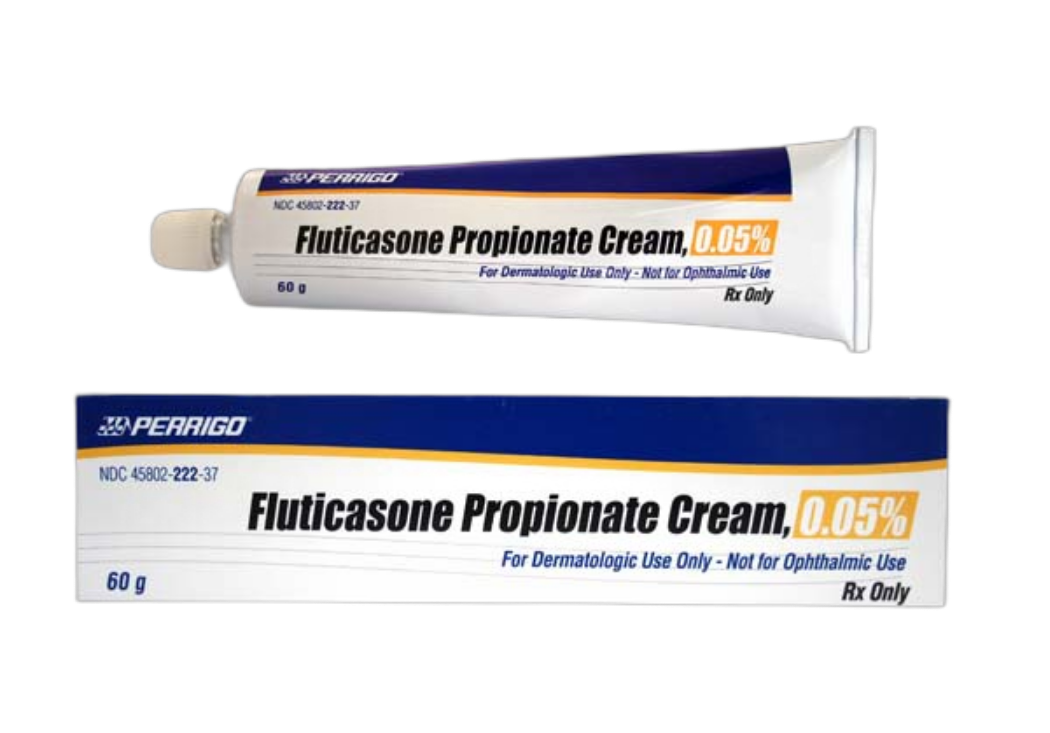
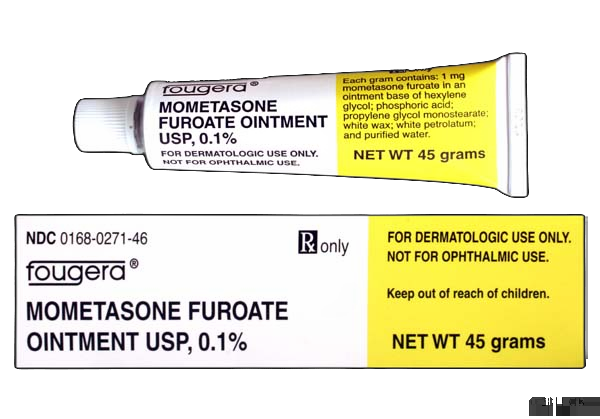
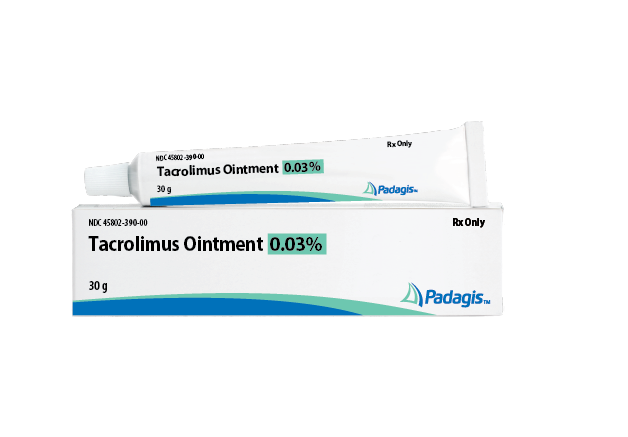
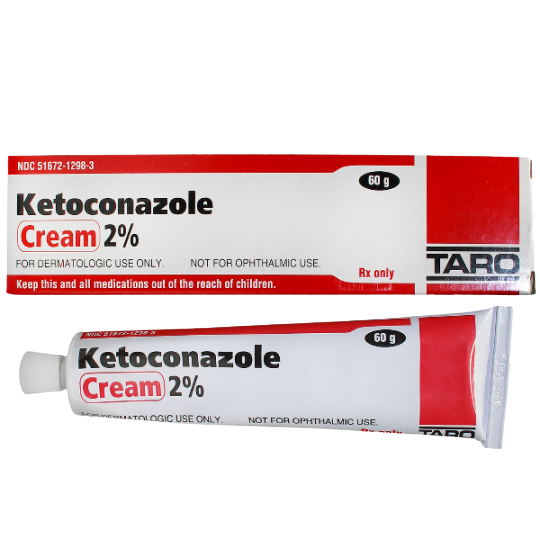
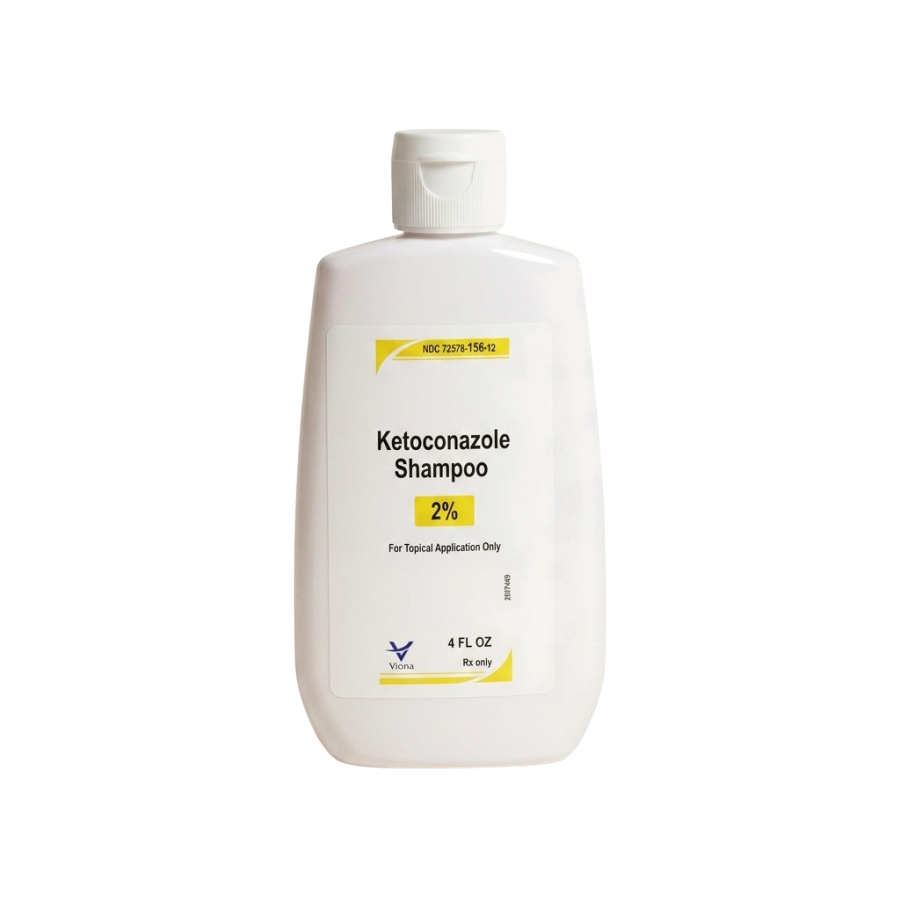
*Packaging may vary based on availability.
Ketoconazole 2% Shampoo
Generic for Nizoral · Antifungal shampoo · 120mL
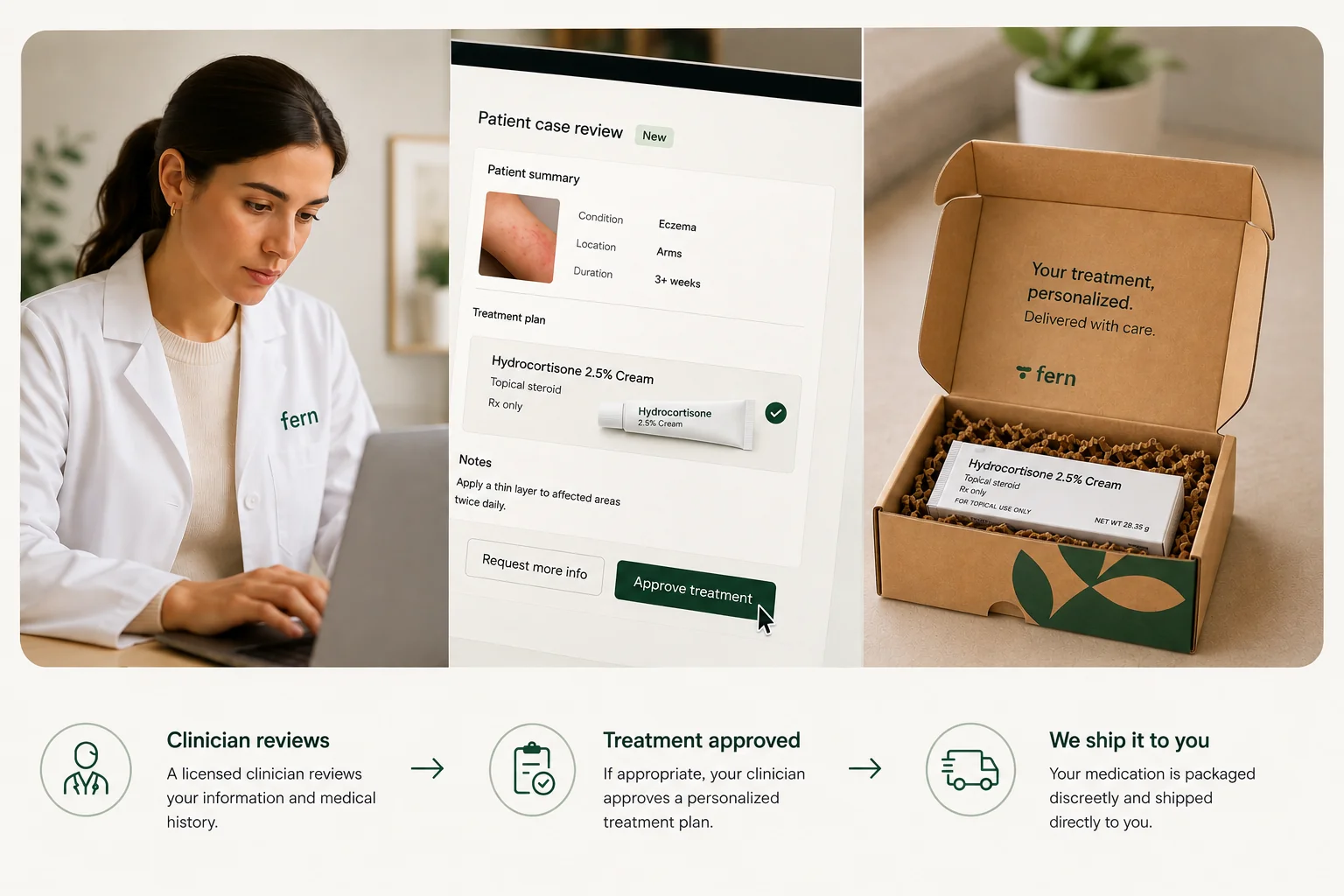
- Licensed clinician reviews your case in 5 hours
- Prescription included in your plan
- Ships free in discreet packaging
- HSA/FSA eligible
- If a clinician doesn’t approve, you aren’t charged
What is Ketoconazole 2% Shampoo?
Ketoconazole 2% shampoo is a prescription-strength medicated shampoo (the 1% version is over the counter). Like the cream, it targets Malassezia, the yeast that drives cradle cap, greasy scalp scale, and dandruff-like flaking with redness — but in a rinse-off format built for the hair-bearing scalp, where a leave-on cream is impractical.
Used two or three times a week, it’s a low-effort addition to a child’s eczema routine when the scalp is involved.
Ketoconazole is an imidazole antifungal. It blocks lanosterol 14α-demethylase, an enzyme fungi and yeast need to build ergosterol, an essential component of their cell membrane. Without it, the membrane fails and Malassezia dies off. A secondary anti-inflammatory effect on skin leukotrienes helps ease redness and scaling alongside the antifungal action.
The lather holds the medication against the scalp for a few minutes, then rinses away. Very little is absorbed systemically, so the well-known warnings for oral ketoconazole tablets don’t meaningfully apply here.
Ketoconazole 2% shampoo is well established for seborrheic dermatitis and dandruff in adults, with the standard regimen of twice-weekly application (lather, leave on for about 5 minutes, rinse). Published pediatric guidance describes safe, effective use in children, including toddlers, on the same twice-weekly schedule for scalp seborrheic dermatitis.
Formal pediatric labeling from the manufacturer is limited, so clinical judgment matters — but topical ketoconazole’s real-world track record in children is long and reassuring.
Not a substitute for the anti-inflammatory treatment. For a child with atopic dermatitis plus a seborrheic scalp component, the shampoo works alongside a topical steroid or tacrolimus, not in place of them.
No activity against bacteria or viruses — it won’t help a Staph-infected flare (mupirocin is the right tool there) or eczema herpeticum (urgent antiviral care). If your child’s scalp is broken, weepy, or swollen, check with your clinician before use. Keep it out of the eyes when rinsing.
Explore other eczema treatments
Desonide 0.05%
Triamcinolone 0.1%
Fluticasone 0.05%
Mometasone 0.1%
Tacrolimus 0.03%
Mupirocin 2%
Ketoconazole 2%
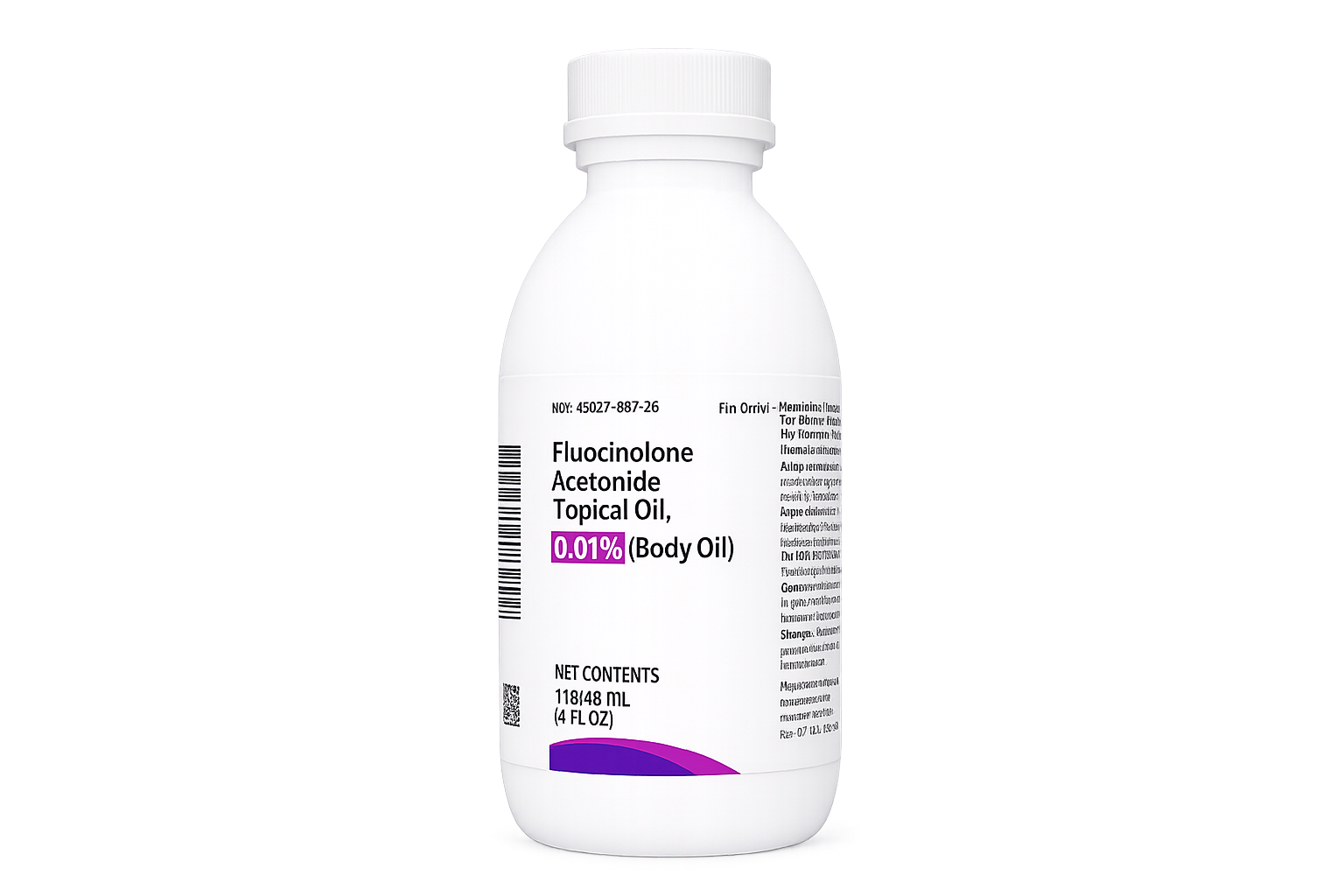
Fluocinolone 0.01% Oil
The Fern route vs. the traditional route
| Traditional | With Fern | |
|---|---|---|
| Doctor appointment | ~30 days to book | 5-hour clinician review |
| Getting the Rx | Separate pharmacy trip | Shipped to your door |
| Cost | Insurance + copays | $35/mo, no insurance |
| Follow-up | Second appointment | Message the care team |
Frequently asked
Cradle cap (infantile seborrheic dermatitis) and eczema are different conditions but they often overlap on the scalp in the first year of life. When the scalp shows a seborrheic, yeast-driven pattern, a medicated shampoo is usually the most practical way to treat it — either on its own or alongside eczema care, based on what your clinician sees.
Same active ingredient, different vehicle. The shampoo is a rinse-off product suited to the hair-bearing scalp and broader scalp scale; the cream is a leave-on product for targeted patches like eyebrows, behind the ears, or the neck. Sometimes clinicians recommend both.
Wet the scalp, work the shampoo into a lather, leave it on for about five minutes, then rinse thoroughly with plain water — usually two to three times a week. Your clinician will tailor frequency and duration to your child’s age and how much scalp is involved. Keep it out of the eyes while rinsing.
Those warnings apply to ketoconazole tablets taken by mouth. A rinse-off shampoo on intact scalp skin is absorbed minimally, and the oral-drug warnings don’t meaningfully apply. If your child’s scalp is broken or extensively inflamed, mention that to your clinician — it can modestly increase absorption of any topical medication.
Many families notice less scale and redness within a couple of weeks of consistent twice-weekly use. If there’s no change after a few weeks, or the scalp looks more irritated rather than less, check back in with your clinician rather than continuing indefinitely on your own.
Ready to get a personalized treatment plan?
Fern clinicians review every case individually. Most patients hear back in under 3 hours.
Start your child's assessment →This information is for educational purposes only and is not medical advice. Consult with a healthcare provider before starting any treatment.