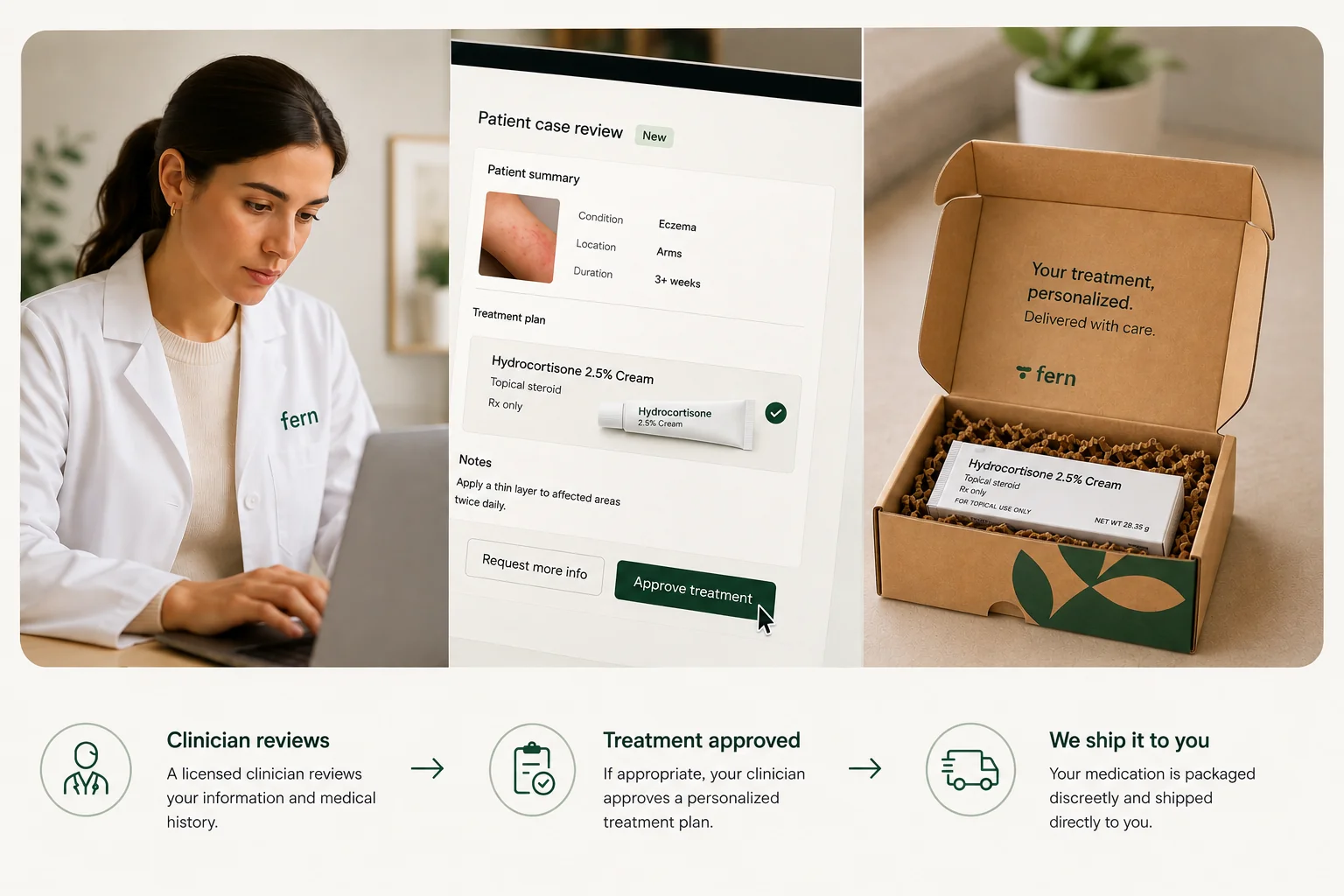
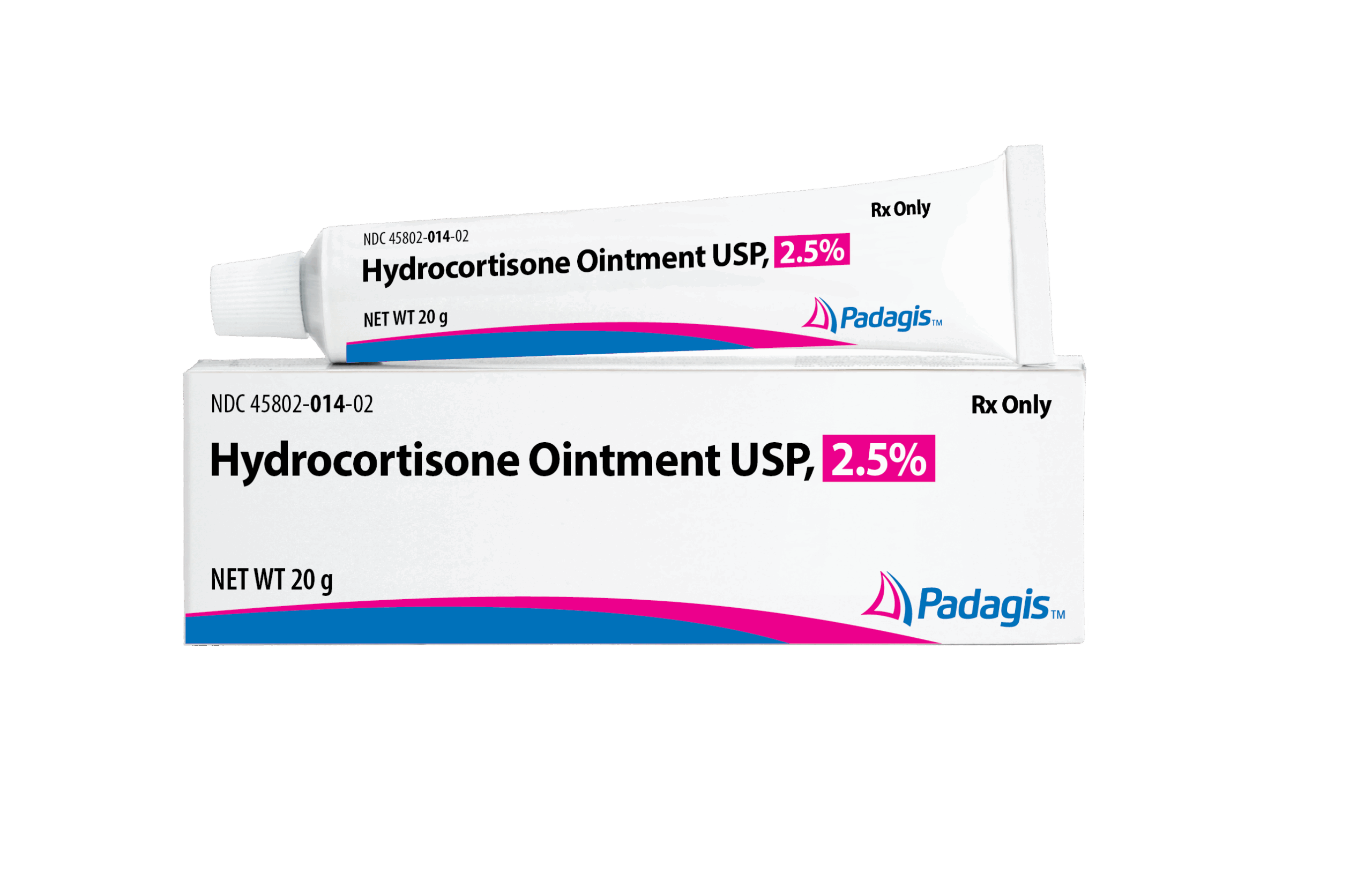
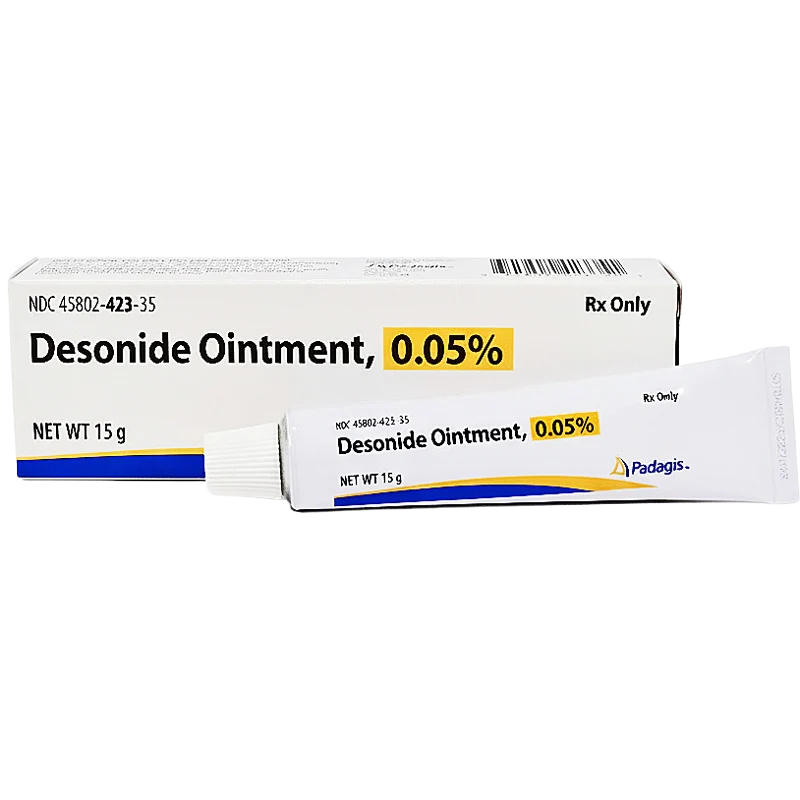
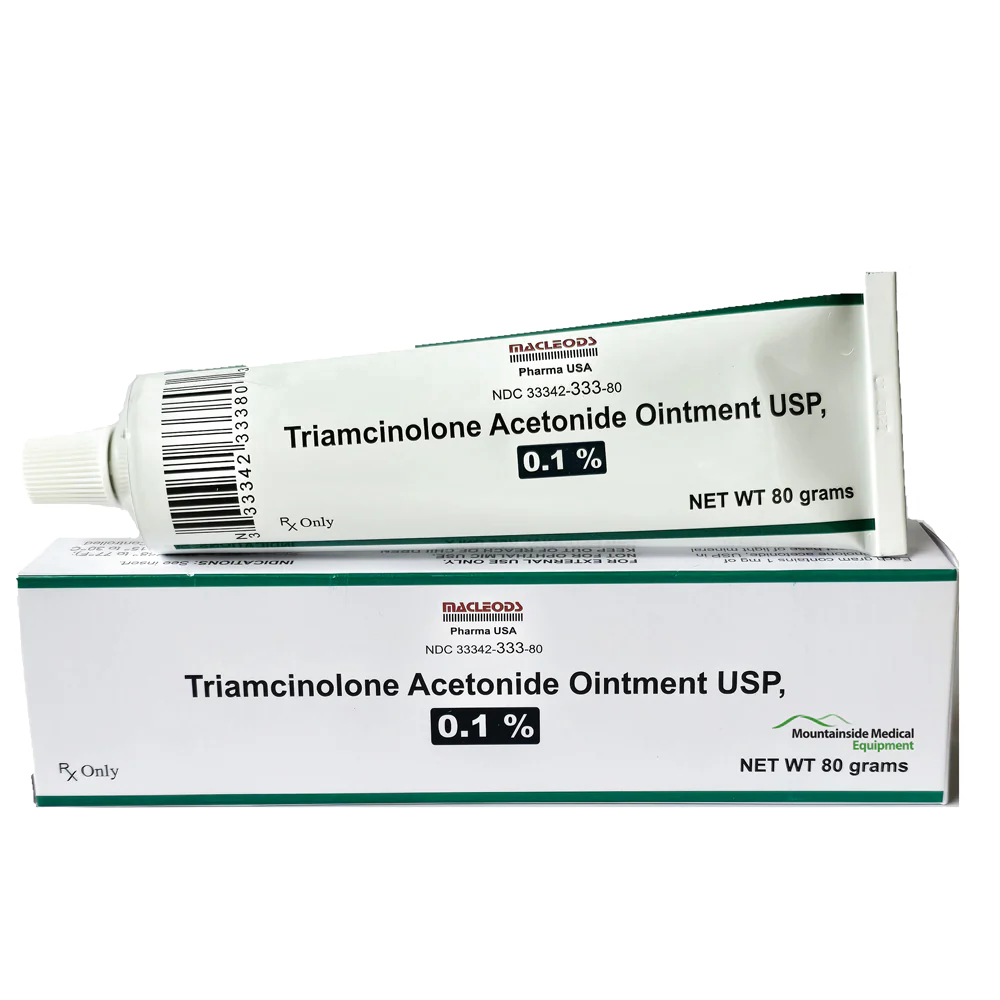
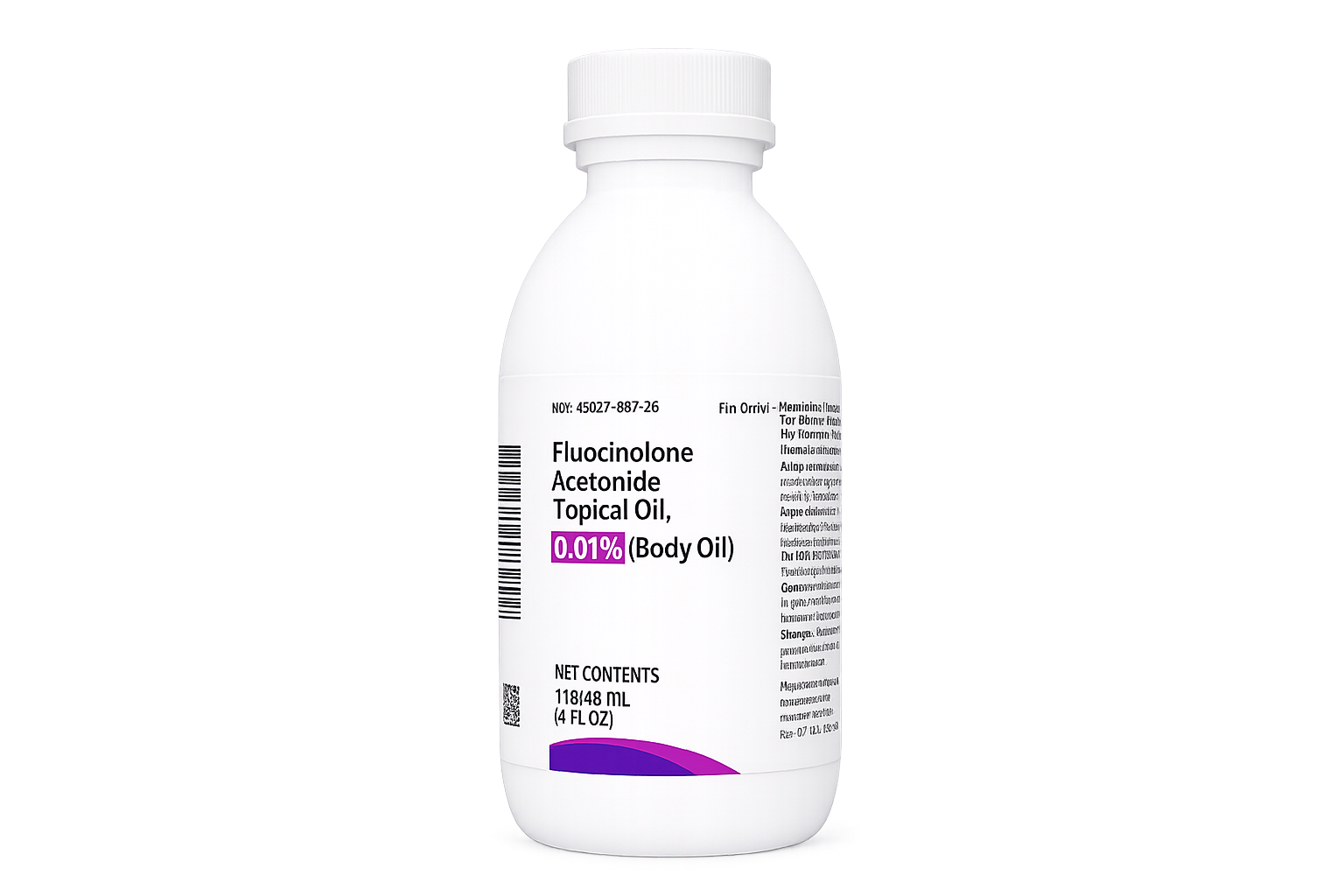
*Packaging may vary based on availability.
Fluocinolone 0.01% Body Oil
Generic for Derma-Smoothe/FS · Low-potency body oil · 118mL
- Licensed clinician reviews your case in 5 hours
- Prescription included in your plan
- Ships free in discreet packaging
- HSA/FSA eligible
- If a clinician doesn’t approve, you aren’t charged
What is Fluocinolone 0.01% body oil?
Fluocinolone acetonide 0.01% body oil is a prescription topical steroid in a lightweight oil vehicle. The FDA classifies it as low-to-medium potency — in the same general range as desonide 0.05%.
What sets this specific product apart is its evidence base: it’s FDA-approved for moderate-to-severe atopic dermatitis in children as young as 3 months old, for courses of up to 4 weeks. The oil vehicle spreads easily over widespread, dry, or scaly skin where a thicker cream would be impractical to apply everywhere.
Like other topical steroids, fluocinolone induces proteins (lipocortins) that suppress inflammatory mediators (prostaglandins, leukotrienes) made from arachidonic acid, quieting the redness, swelling, and itch of an active flare.
What’s notable about this product is the vehicle, not a novel mechanism. The lightweight oil base spreads more easily than a cream or ointment over larger or drier areas — the reason it suits widespread pediatric eczema. Standard use is a thin film twice daily, without any additional covering.
FDA-approved for moderate-to-severe atopic dermatitis in pediatric patients 3 months of age and older, for courses of up to 4 weeks. Approval rests on two open-label pediatric safety trials: 29 children ages 3 months–2 years, and 33 children ages 2–12 years, both treated twice daily for 4 weeks with cortisol and ACTH-stimulation testing to check for adrenal suppression. Essentially all subjects showed normal adrenal responses at the end of treatment.
Safety and effectiveness below 3 months of age have not been established. The FDA’s own pharmacology summary places the oil in the low-to-medium potency range relative to other topical corticosteroids.
The reference-brand formulation contains refined peanut oil (~48% of the formula) as its base. Manufacturer testing indicates the refining process reduces allergenic protein to very low levels, and published safety data in peanut-sensitive children was largely reassuring — but one of nine peanut-sensitive children in that study did flare after 5 days of use. If your child has a diagnosed peanut allergy, disclose it before starting so your clinician can weigh alternatives.
Per FDA labeling, avoid application on the face, underarms, groin, and diaper area unless your clinician specifically directs it — occlusion under a diaper or in skin folds acts like a dressing and increases both absorption and skin-thinning risk. Not intended for use under plastic wrap or other airtight coverings. Courses are capped at 4 weeks based on the trials; if your child needs treatment beyond that, message the care team rather than continuing on your own.
Explore other eczema treatments
Desonide 0.05%
Triamcinolone 0.1%
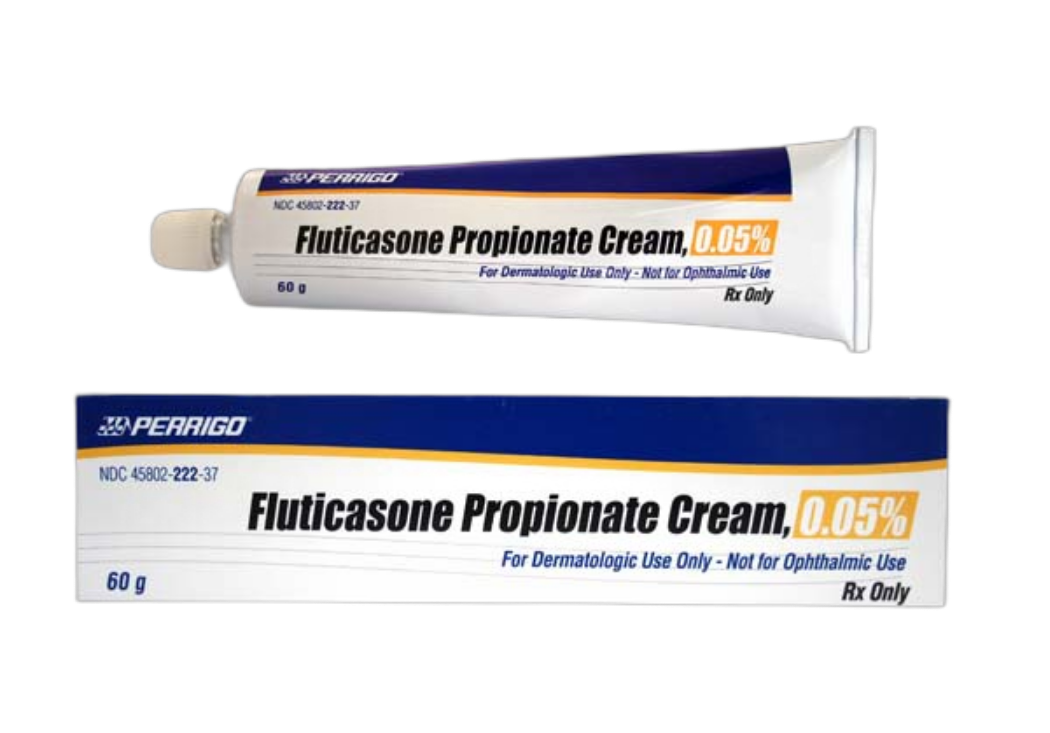
Fluticasone 0.05%
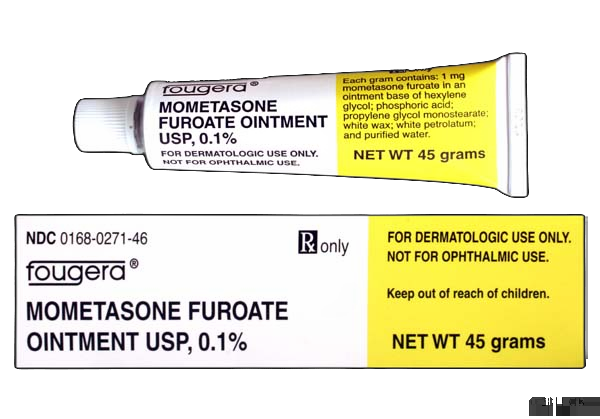
Mometasone 0.1%
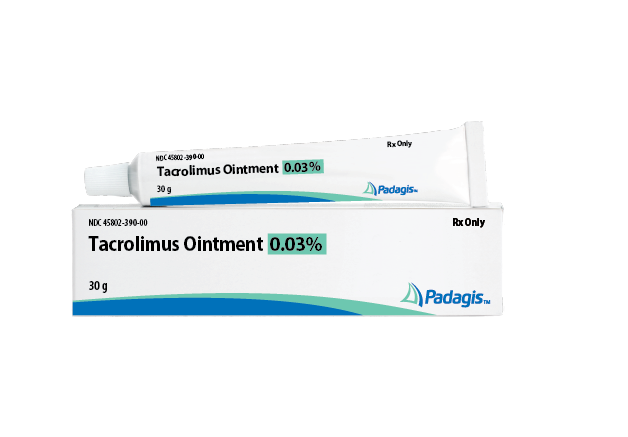
Tacrolimus 0.03%
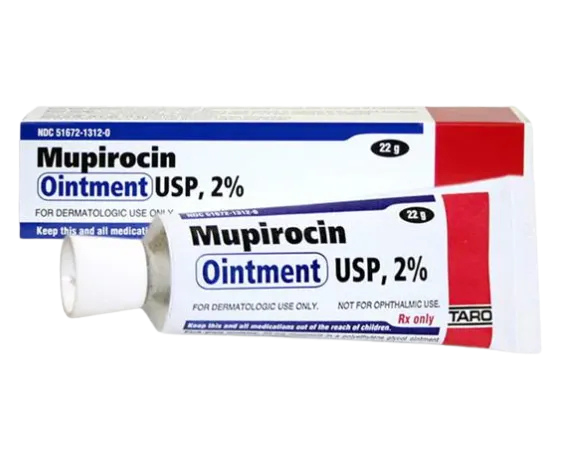
Mupirocin 2%
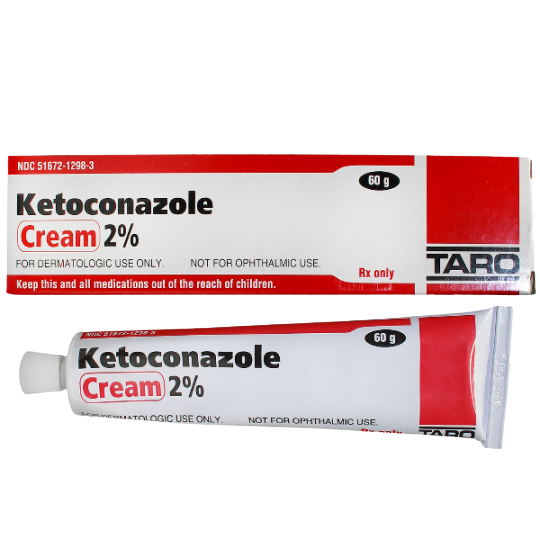
Ketoconazole 2%
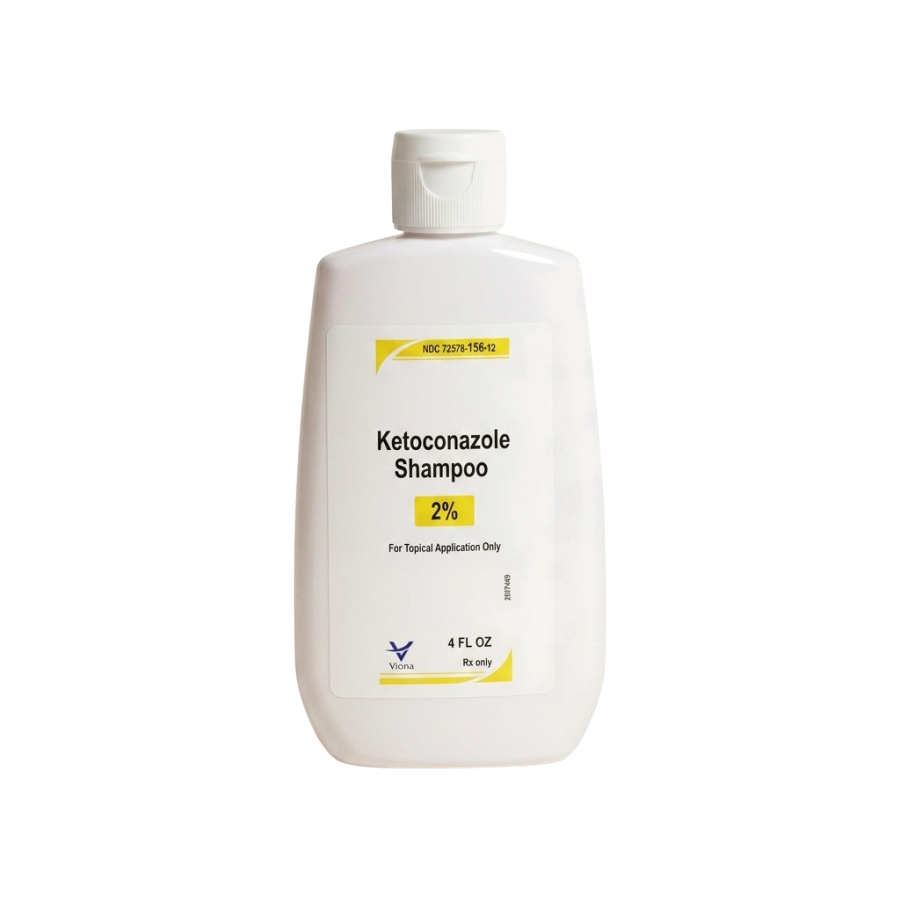
Ketoconazole 2% Shampoo
The Fern route vs. the traditional route
| Traditional | With Fern | |
|---|---|---|
| Doctor appointment | ~30 days to book | 5-hour clinician review |
| Getting the Rx | Separate pharmacy trip | Shipped to your door |
| Cost | Insurance + copays | $35/mo, no insurance |
| Follow-up | Second appointment | Message the care team |
Frequently asked
Tell your clinician about the peanut allergy before starting. The oil base in the reference-brand formulation is largely refined peanut oil, processed to remove allergenic protein — but a small number of peanut-sensitive children in published safety data still had a reaction (one in nine had a flare after 5 days of use). Your clinician may recommend a different vehicle or medication rather than assuming it’s automatically fine.
No, not by default. Standard use for eczema is a thin film applied twice daily to affected skin with no covering. A related fluocinolone product (a scalp oil for adult psoriasis) is used under a shower cap — that’s a different product for a different use. Occlusion should only be used if your clinician specifically directs it, since it raises both absorption and skin-thinning risk.
Yes — this oil is FDA-approved for moderate-to-severe atopic dermatitis in children 3 months of age and older, for courses of up to 4 weeks, with pediatric safety data specifically covering ages 3–6 months. Safety below 3 months has not been established. Your Fern clinician will confirm your child’s age and extent of involvement before prescribing.
Not by default. The label directs avoiding the face, underarms, and groin unless your clinician specifically says otherwise. For facial eczema, low-potency options like desonide or hydrocortisone, or a non-steroid like tacrolimus, are usually the more appropriate choice.
The FDA approval is based on courses of up to 4 weeks, applied twice daily as a thin film with no covering. If your child’s eczema has cleared by then, treatment stops. If it hasn’t, or the pattern keeps returning, check back in with the care team rather than continuing the same course — they may adjust the plan, the area treated, or the medication itself.
Ready to get a personalized treatment plan?
Fern clinicians review every case individually. Most patients hear back in under 3 hours.
Start your child's assessment →This information is for educational purposes only and is not medical advice. Consult with a healthcare provider before starting any treatment.