*Packaging may vary based on availability.
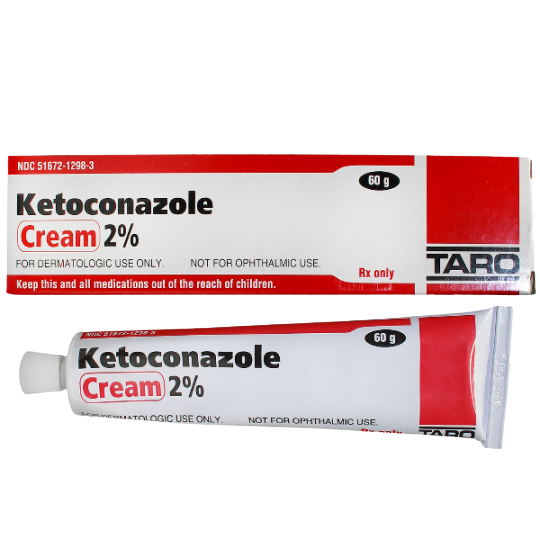
Ketoconazole 2%
Generic for Nizoral · Antifungal cream · 15g
- Licensed clinician reviews your case in 5 hours
- Prescription included in your plan
- Ships free in discreet packaging
- HSA/FSA eligible
- If a clinician doesn’t approve, you aren’t charged
What is Ketoconazole 2% cream?
Ketoconazole 2% is a prescription antifungal cream — not a steroid. It targets Malassezia, a yeast that lives on everyone’s skin but can overgrow in oil-rich areas and drive cradle cap, greasy scale along the hairline and eyebrows, and the head-and-neck pattern of eczema some children get.
A steroid can calm the inflammation that results from Malassezia overgrowth, but it doesn’t reduce the yeast itself. Ketoconazole does — which is why clinicians often add it alongside (not instead of) a child’s regular eczema treatment when a seborrheic component is present.
Ketoconazole is an imidazole antifungal. It blocks lanosterol 14α-demethylase, an enzyme fungi and yeast need to build ergosterol, an essential piece of their cell membrane. Without it, the membrane fails and the yeast dies off. Ketoconazole also has a mild anti-inflammatory effect on skin leukotrienes, which is part of why redness and scaling ease alongside the antifungal effect.
Applied to intact skin, very little is absorbed systemically. The well-known liver and hormone warnings that apply to oral ketoconazole tablets do not meaningfully apply to the topical cream.
Ketoconazole 2% cream is FDA-approved in adults for seborrheic dermatitis, cutaneous candidiasis, tinea, and pityriasis versicolor. The manufacturer’s formal pediatric labeling for the cream is limited (“safety and effectiveness in children have not been established”), but its use in infants with cradle cap and in older children with seborrheic-pattern rashes is longstanding, well-described in pediatric dermatology literature, and supported by decades of real-world use.
Your Fern clinician factors that off-label status into the recommendation and explains why it’s an appropriate choice for your child’s specific presentation.
Not a substitute for the anti-inflammatory treatment. For a child with a mixed picture (eczema plus a seborrheic/yeast component), ketoconazole works alongside a topical steroid or tacrolimus, not in place of them.
No activity against bacteria or viruses — it won’t help a Staph-infected flare (mupirocin is the right tool there) or eczema herpeticum (which needs urgent antiviral care). One formulation note: the 2% cream contains sodium sulfite as a preservative, which can rarely trigger reactions in sulfite-sensitive individuals — worth mentioning if your child has asthma or a known sulfite sensitivity.
Explore other eczema treatments
Desonide 0.05%
Triamcinolone 0.1%
Fluticasone 0.05%
Mometasone 0.1%
Tacrolimus 0.03%
Mupirocin 2%
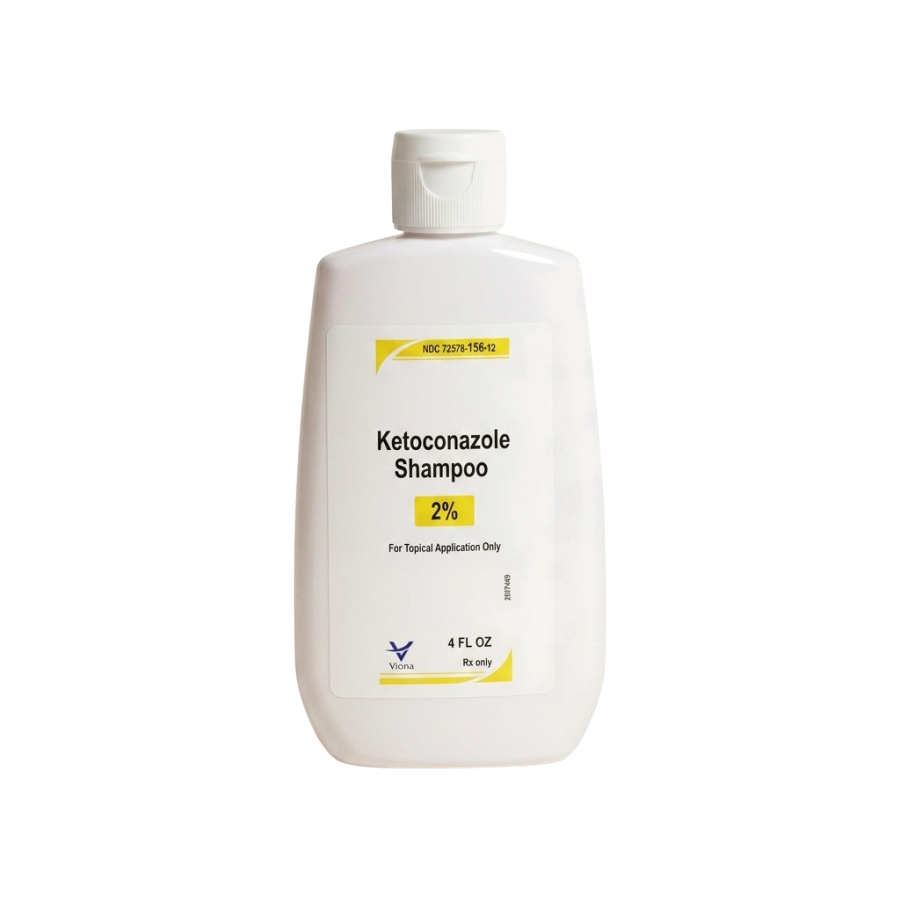
Ketoconazole 2% Shampoo
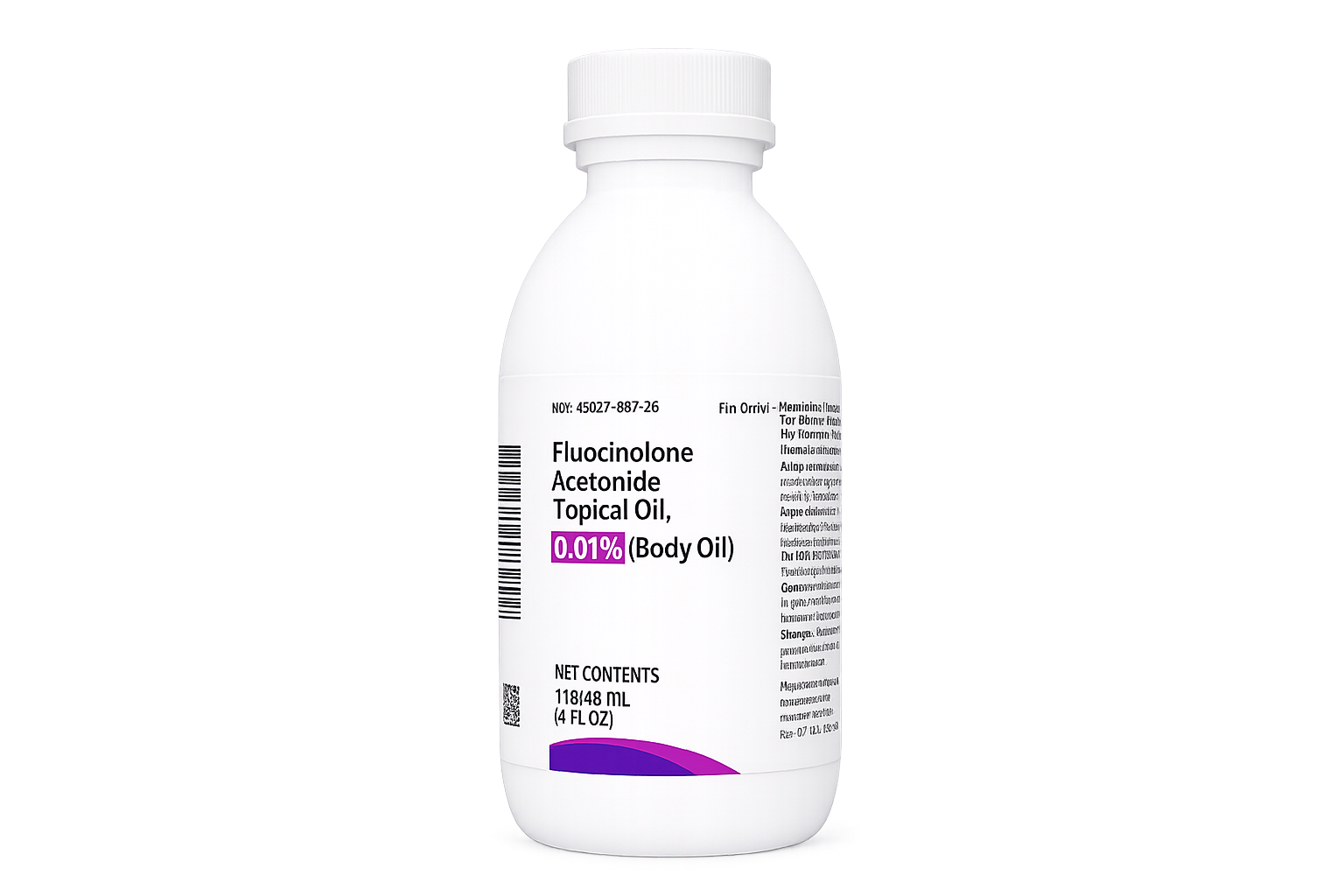
Fluocinolone 0.01% Oil
The Fern route vs. the traditional route
| Traditional | With Fern | |
|---|---|---|
| Doctor appointment | ~30 days to book | 5-hour clinician review |
| Getting the Rx | Separate pharmacy trip | Shipped to your door |
| Cost | Insurance + copays | $35/mo, no insurance |
| Follow-up | Second appointment | Message the care team |
Frequently asked
Cradle cap (infantile seborrheic dermatitis) and eczema are different conditions, but they can look similar and often overlap on the scalp, eyebrows, and behind the ears in the first year of life. If your child’s presentation looks more seborrheic than eczematous, your clinician may recommend ketoconazole either instead of or alongside eczema care, based on the actual pattern they see.
Same active ingredient, different vehicle. The cream is a leave-on product for targeted patches (eyebrows, behind the ears, neck, small facial areas). The shampoo is a rinse-off product for broader scalp scale. Your clinician may prescribe one, the other, or both depending on where the rash is.
Those warnings apply to ketoconazole tablets taken by mouth, which are absorbed into the bloodstream in meaningful amounts. The topical cream on intact skin is absorbed minimally, and the liver and hormone-related warnings don’t meaningfully apply. If your child has broken, weepy, or extensively inflamed skin, mention that to your clinician — it can modestly increase absorption of any topical medication.
Yes — a common combination when a child has both eczema and a seborrheic component. Ketoconazole handles the yeast; the steroid handles the inflammation. Your clinician will suggest timing (typically one in the morning, the other at night) based on your child’s pattern.
Generally yes — facial and scalp involvement (eyebrows, nasolabial folds, hairline) is one of the most common reasons ketoconazole is prescribed. Because it isn’t a steroid, it doesn’t carry the same restrictions around prolonged facial use. Apply only as directed and keep it away from the eyes.
Ready to get a personalized treatment plan?
Fern clinicians review every case individually. Most patients hear back in under 3 hours.
Start your child's assessment →This information is for educational purposes only and is not medical advice. Consult with a healthcare provider before starting any treatment.