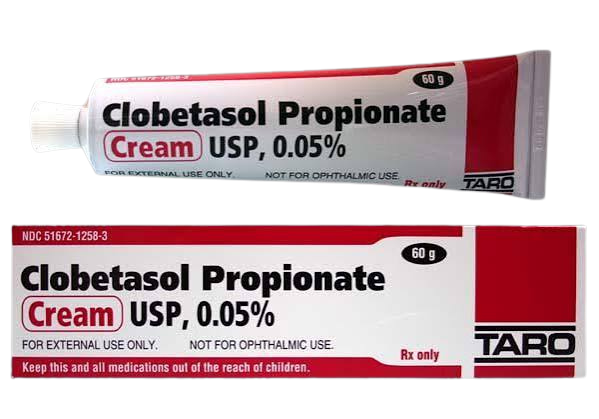
*Packaging may vary based on availability.
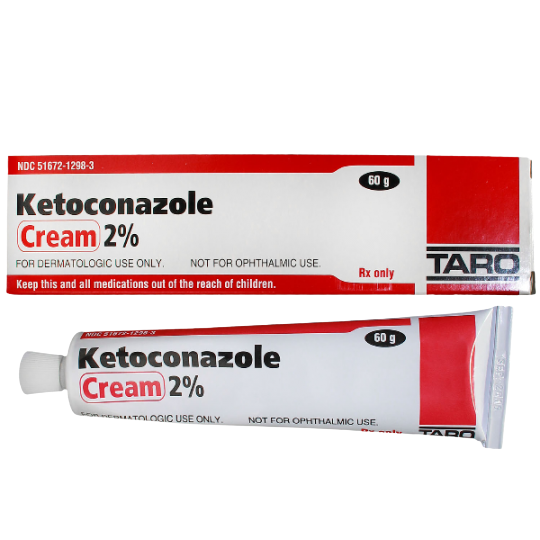
Ketoconazole 2%
Generic for Nizoral · Antifungal cream · 15g
- Licensed clinician reviews your case in 5 hours
- Prescription included in your plan
- Ships free in discreet packaging
- HSA/FSA eligible
- If a clinician doesn’t approve, you aren’t charged
What is Ketoconazole 2% cream?
Ketoconazole 2% is a prescription antifungal cream, not a steroid. It treats seborrheic dermatitis and several fungal skin infections, including ringworm, jock itch, athlete’s foot, pityriasis versicolor, and cutaneous candidiasis.
For people with eczema, a clinician may consider ketoconazole when the location and appearance suggest a seborrheic or fungal component. It may be used alongside an anti-inflammatory eczema treatment when both processes are present.
Ketoconazole is an imidazole antifungal. It blocks an enzyme fungi and yeast need to make ergosterol, an essential part of their cell membrane. This reduces organisms such as Malassezia that can drive redness, flaking, and greasy scale.
Only a small amount is absorbed through intact skin. The serious liver and hormone warnings associated with oral ketoconazole tablets do not apply in the same way to topical cream.
Ketoconazole 2% cream is FDA-approved for seborrheic dermatitis, tinea corporis, tinea cruris, tinea pedis, pityriasis versicolor, and cutaneous candidiasis.
For seborrheic dermatitis, prescribing information commonly directs application to the affected area twice daily for 4 weeks or until clinical clearing. Follow the exact directions provided with your prescription.
Ketoconazole does not treat bacterial or viral infections. It will not replace an antibiotic for infected eczema or urgent antiviral treatment for eczema herpeticum.
Do not use it in the eyes. Tell your clinician if you have reacted to ketoconazole or another ingredient in the formulation. Some products contain sodium sulfite, which can rarely trigger allergic-type reactions, particularly in susceptible people with asthma.
Explore other eczema treatments
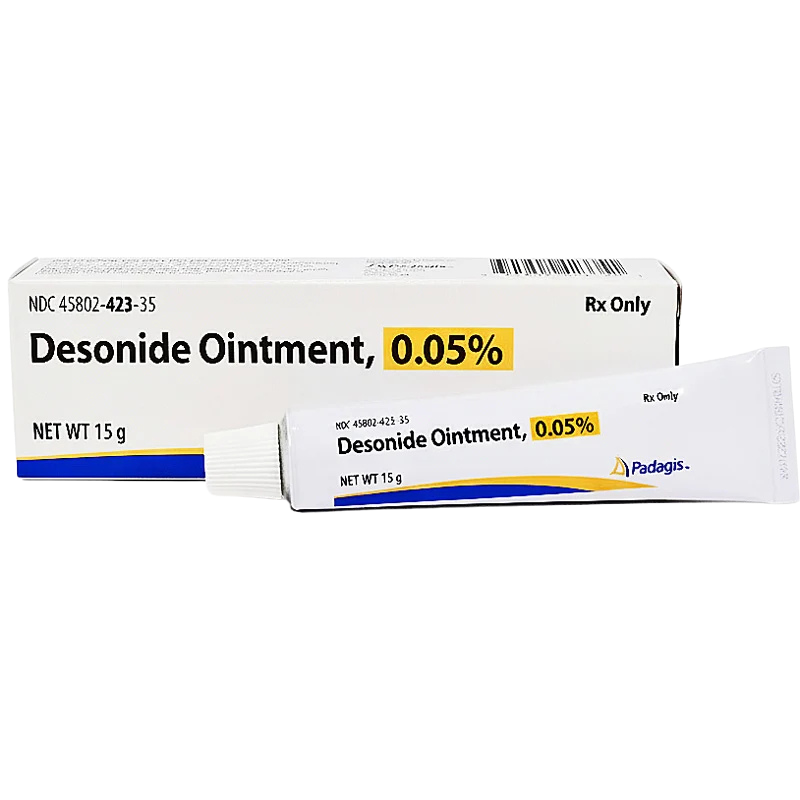
Desonide 0.05%
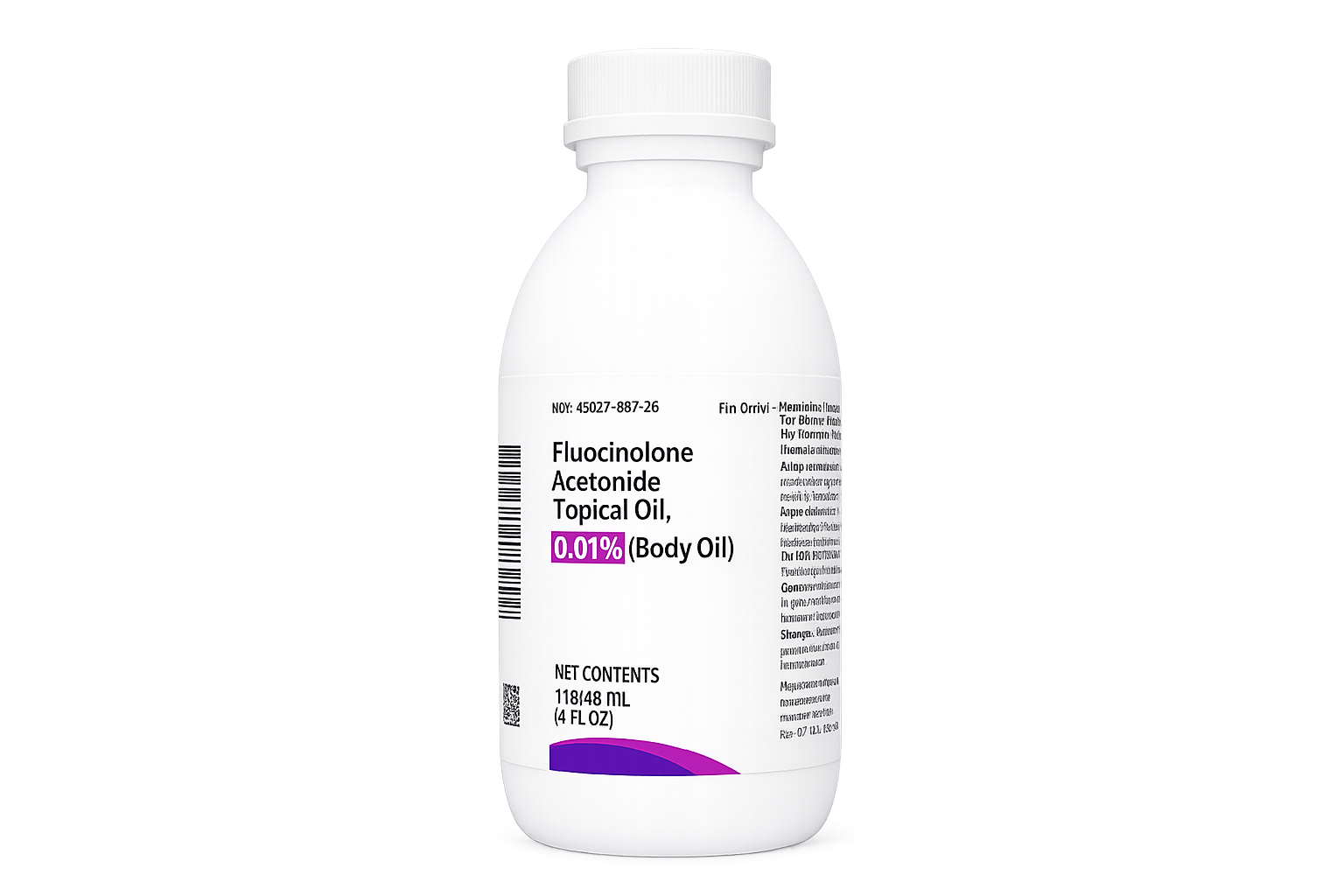
Fluocinolone 0.01% Body Oil
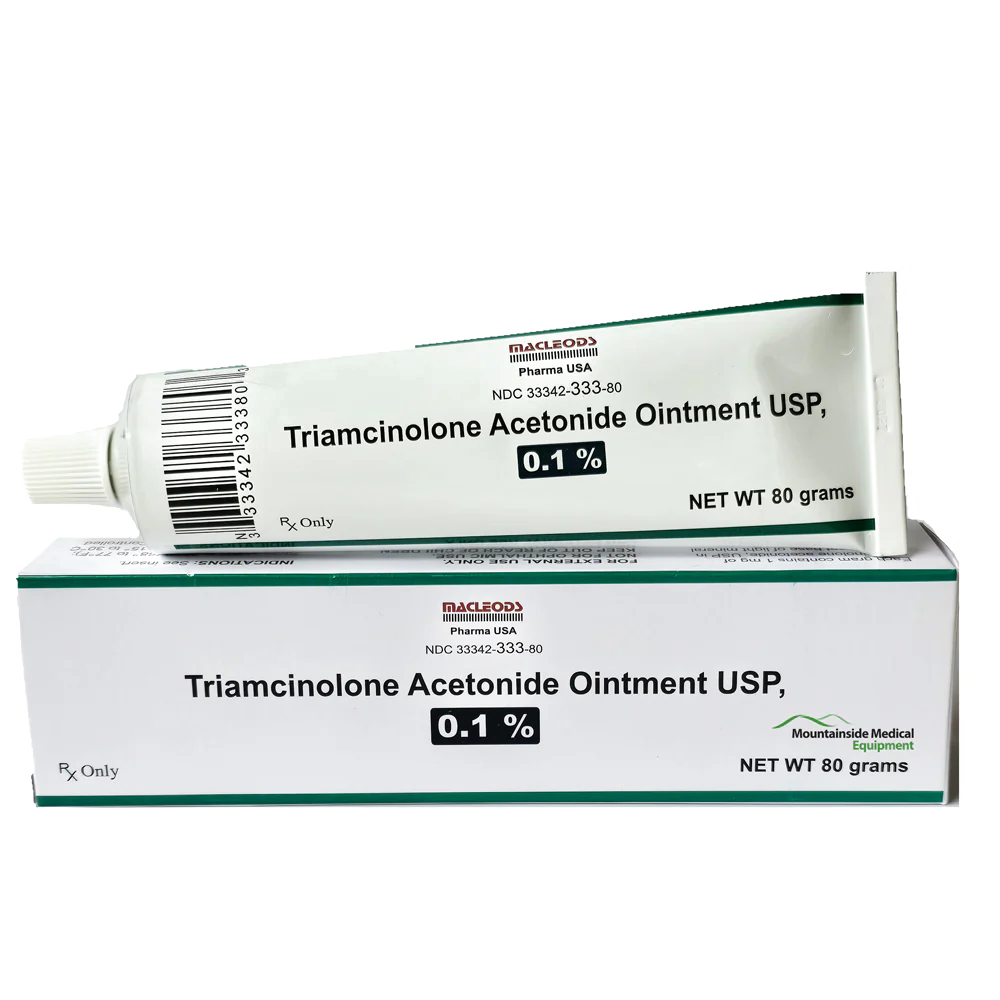
Triamcinolone 0.1%
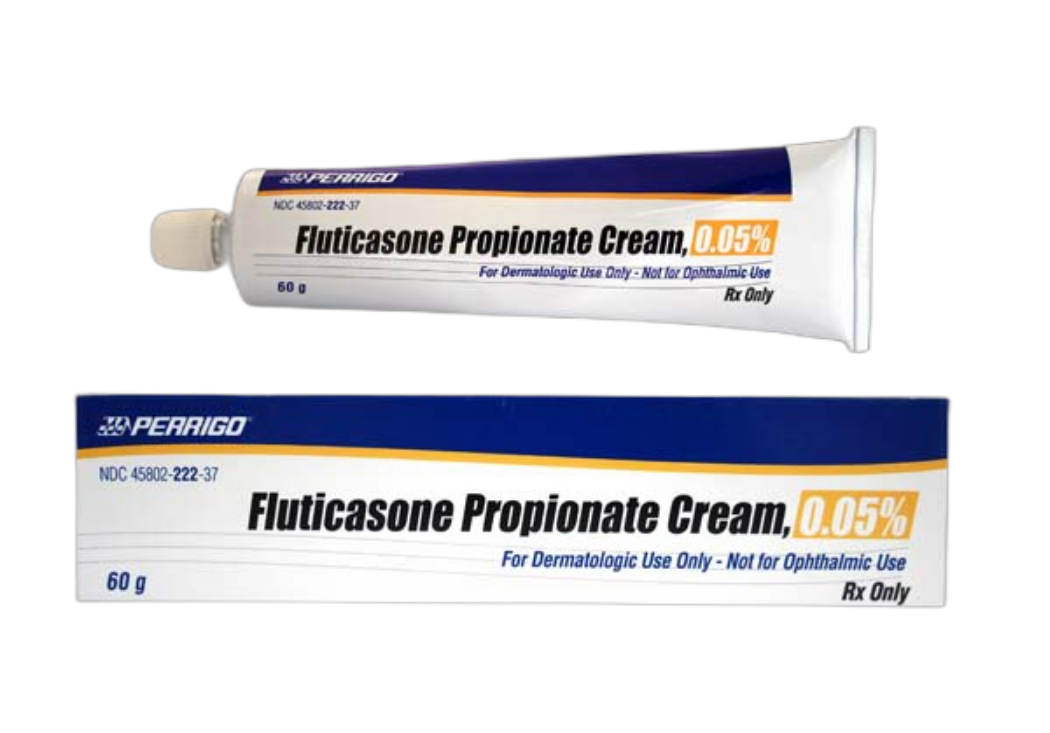
Fluticasone 0.05%
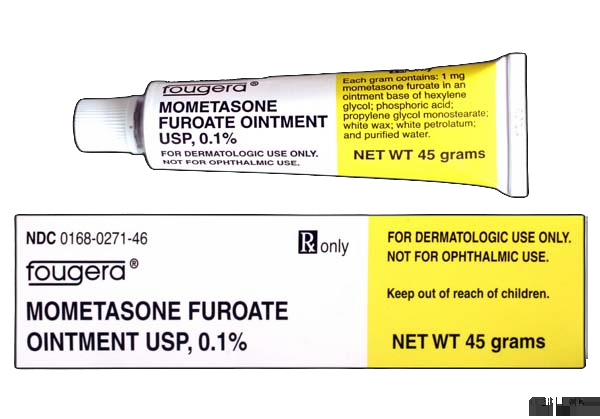
Mometasone 0.1%
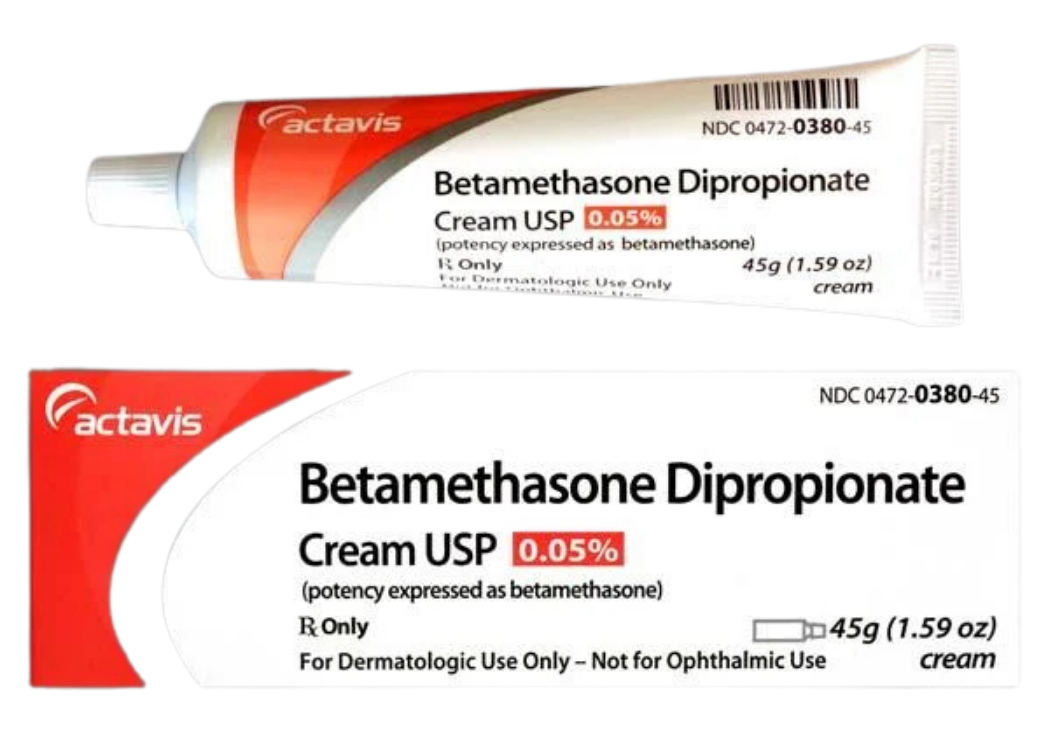
Betamethasone 0.05%
Clobetasol 0.05%
Tacrolimus 0.1%
Tacrolimus 0.03%
Mupirocin 2%
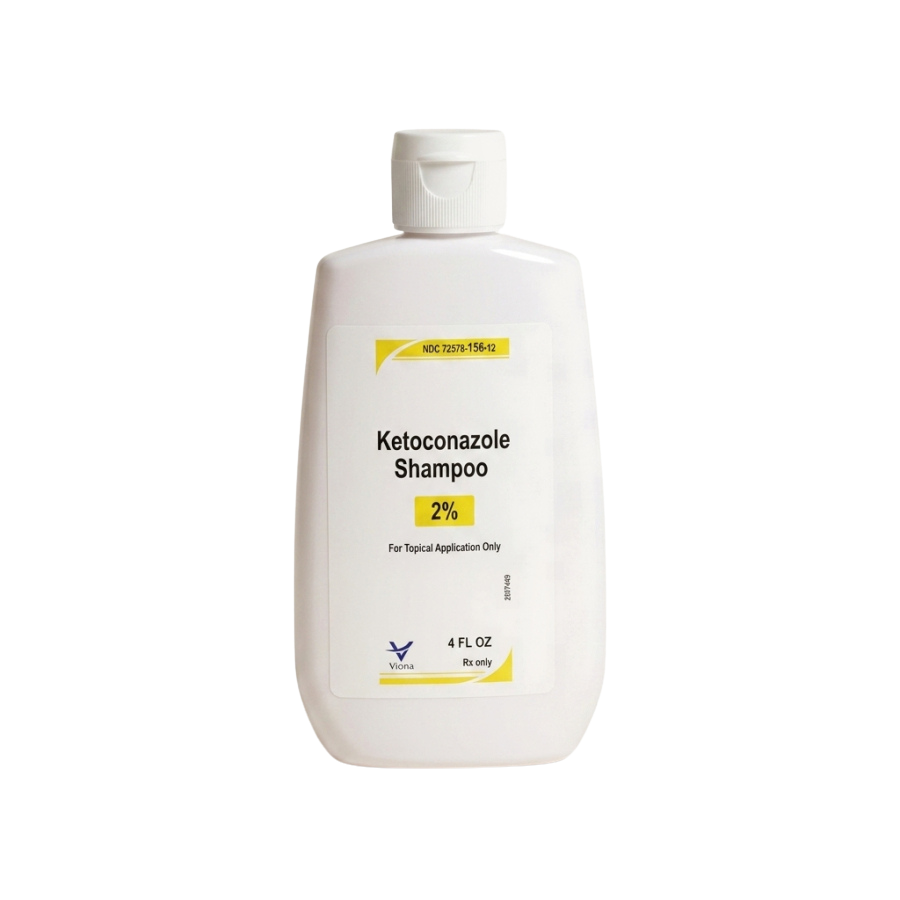
Ketoconazole 2% Shampoo
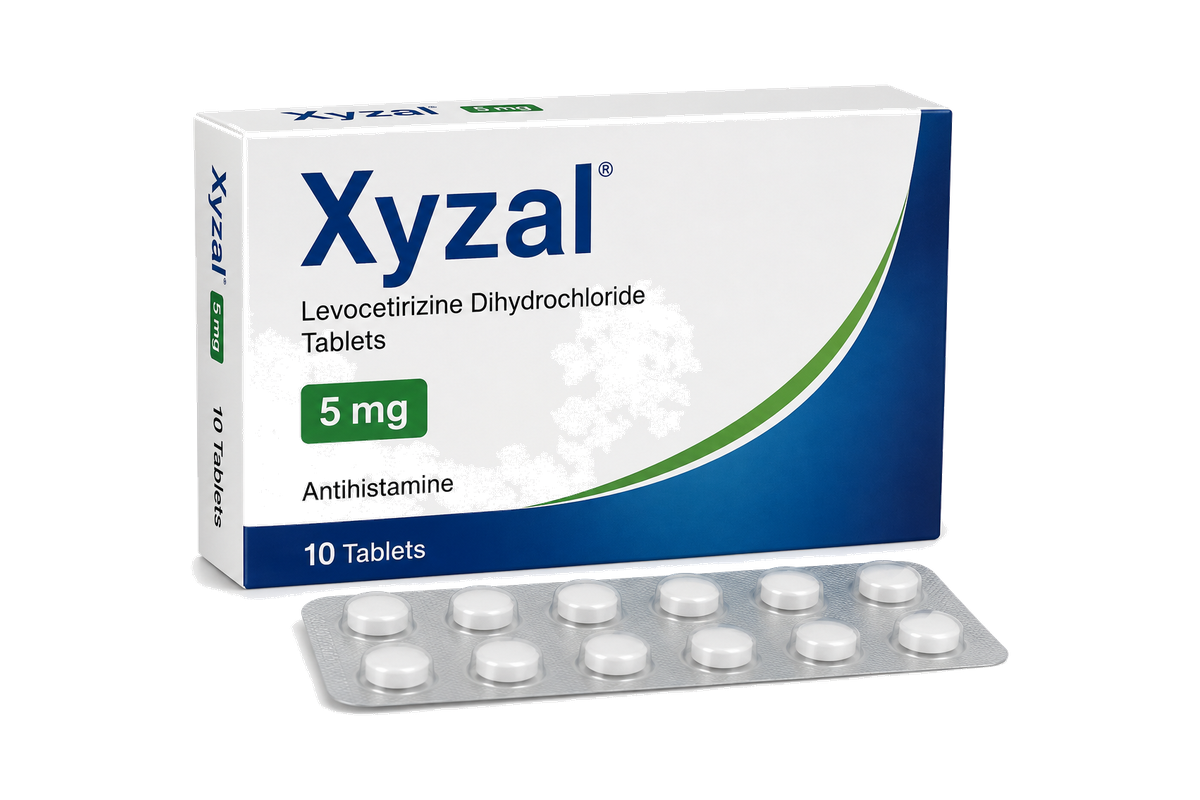
Levocetirizine 5 mg
The Fern route vs. the traditional route
| Traditional | With Fern | |
|---|---|---|
| Doctor appointment | ~30 days to book | 5-hour clinician review |
| Getting the Rx | Separate pharmacy trip | Shipped to your door |
| Cost | Insurance + copays | $35/mo, no insurance |
| Follow-up | Second appointment | Message the care team |
Frequently asked
Seborrheic dermatitis and fungal rashes can resemble or overlap with eczema. If your photos and history suggest yeast or fungus is contributing to the rash, treating that component can be an important part of the care plan.
It has the same active ingredient but a different vehicle. Cream is a leave-on treatment for skin, while shampoo is a rinse-off treatment usually used on the scalp. Use the formulation your clinician prescribed.
Those warnings concern ketoconazole tablets taken by mouth. Topical cream is absorbed only minimally through intact skin, so it does not carry the same systemic risk profile.
Your clinician may prescribe both when there is a mixed picture: ketoconazole addresses yeast or fungus, while the topical steroid addresses inflammation. Follow the timing and application instructions in your care plan.
It is often used on facial areas affected by seborrheic dermatitis, such as around the eyebrows, nose, and hairline. Apply it only where directed and keep it away from the eyes.
Ready to get a personalized treatment plan?
Fern clinicians review every case individually. Most patients hear back in under 3 hours.
Start your assessment →This information is for educational purposes only and is not medical advice. Consult with a healthcare provider before starting any treatment.